As we get older, the structures inside the eye change in predictable ways. These changes are the most common reason prescriptions shift over time, and they are not a sign that anything is wrong with your eye health.
Presbyopia is the gradual loss of your eye's ability to focus on close objects. The natural lens inside your eye becomes stiffer with age, making tasks like reading, using a phone, or seeing a menu at arm's length more difficult. This process typically begins around age 40 and affects the majority of adults at some point.
When presbyopia develops, your prescription will include an 'add power,' which is an extra focusing correction for near vision. This value is often incorporated into bifocal or progressive lenses. The add power tends to increase at each exam as the lens continues to stiffen, and most patients reach their maximum add value by their mid-60s.
Myopia, or nearsightedness, is a condition where distant objects appear blurry. For most people, myopia stabilizes in the early 20s, but a meaningful number of adults continue to experience gradual changes into their 20s and 30s. If your distance prescription keeps shifting, our doctors look at the pattern over time and consider possible contributing factors.
Extended hours of close work and digital screen use are associated with ongoing myopia changes in younger adults. Our team considers your daily habits and work environment when evaluating why your prescription may be shifting.
A cataract is a clouding of the natural lens inside the eye that typically develops gradually with age. In the early stages, the changing density of the lens can actually shift your prescription in a way that temporarily improves near vision while worsening distance vision. Eye care providers call this a 'myopic shift' or 'second sight.'
As a cataract matures, vision becomes progressively blurry in a way that updated glasses can no longer correct. Our doctors distinguish between a routine prescription change and cataract development during a dilated eye exam. When a cataract begins to interfere with daily activities, surgical removal and replacement with a clear artificial lens is the standard treatment.
Several medical conditions affect the eye in ways that produce real, measurable prescription changes. Some of these changes are temporary, while others require longer-term management. Identifying the underlying cause is an important part of getting an accurate prescription.
When blood glucose rises, the lens inside the eye absorbs excess fluid and swells slightly, which changes how it bends light. This can cause noticeable blurry vision that shifts from day to day alongside blood sugar levels. Glasses fitted during a period of high blood sugar may feel off once levels stabilize.
For patients with diabetes, our doctors may recommend stabilizing blood sugar for several days before a refraction test to get the most accurate prescription possible. In some cases, unexplained vision blurring or a sudden prescription shift may prompt our team to look for signs of undiagnosed diabetes.
Hormonal fluctuations during pregnancy, breastfeeding, and menopause can affect both the cornea (the clear front surface of the eye) and tear production, sometimes causing a temporary shift in your prescription. Many patients notice blurry vision or contact lens discomfort during the third trimester of pregnancy.
Most pregnancy-related prescription changes resolve within a few months after delivery. Our team often advises waiting until after breastfeeding ends to update a prescription, since hormones continue to fluctuate during that period. Changes related to menopause tend to be more lasting and may also involve dry eye symptoms that contribute to visual blur.
Some commonly prescribed medications can produce vision changes as a side effect. Corticosteroids, for example, can raise pressure inside the eye and speed up cataract formation over time. Antihistamines, certain antidepressants, and blood pressure medications can cause dry eye or difficulty focusing, which may make your current prescription feel less effective than it once did.
If you started a new medication and noticed a change in your vision, let our team know at your next visit. Our doctors can help determine whether the medication is contributing to the problem and whether the change is likely to be temporary. In some cases, working with your prescribing physician to adjust your medication resolves the visual shift without requiring a new prescription.

Daily habits and environment can influence how your vision changes over time. Some of these factors are well within your control, while others are simply part of how the visual system responds to how we use our eyes.
Spending long hours focused on screens or other close tasks places continuous demand on the eye's focusing system. Research has found a direct association between digital screen time and myopia progression, particularly in children and younger adults. The relationship between screen use and vision change is an active area of study, and our team stays current with evolving guidance on this topic.
Eye strain from screens does not permanently damage the eyes, but it can make your current prescription feel inadequate by the end of a long day. That sensation typically reflects muscle fatigue in the focusing system rather than a true change in your prescription. Practicing the 20-20-20 rule (looking at something 20 feet away for 20 seconds every 20 minutes) and working in adequate lighting can help reduce strain during the day.
Gradual prescription changes that develop over months or years are generally expected and manageable. A sudden shift in vision over days or weeks is a different matter and should prompt a prompt evaluation. Rapid worsening of nearsightedness can signal uncontrolled blood sugar. Sudden blurry vision in one eye can suggest a retinal issue, macular disease, or a problem with the optic nerve.
Do not wait for your next scheduled exam if your vision changes quickly or dramatically. Contact our office for an urgent appointment. Our doctors will run the necessary tests to determine whether something beyond a simple prescription change is occurring and will refer you to the appropriate specialist if needed.

Children's prescriptions tend to change more frequently than adults' because the eyes are still growing. When that growth is excessive, myopia can progress quickly. There are now effective strategies to slow that progression and protect long-term vision health.
Myopia management refers to a set of treatment approaches designed to slow the rate at which nearsightedness worsens in children. These treatments include orthokeratology (specially shaped contact lenses worn overnight that temporarily reshape the cornea), low-dose atropine eye drops, and multifocal contact lenses designed to reduce the signal that drives eye growth. None of these treatments reverse existing myopia, but they can meaningfully limit how much worse it becomes over time.
Our team evaluates each child individually to determine which approach fits their age, prescription, lifestyle, and how quickly their myopia is progressing. Starting treatment while myopia is still mild tends to produce better outcomes than waiting until progression is more advanced.
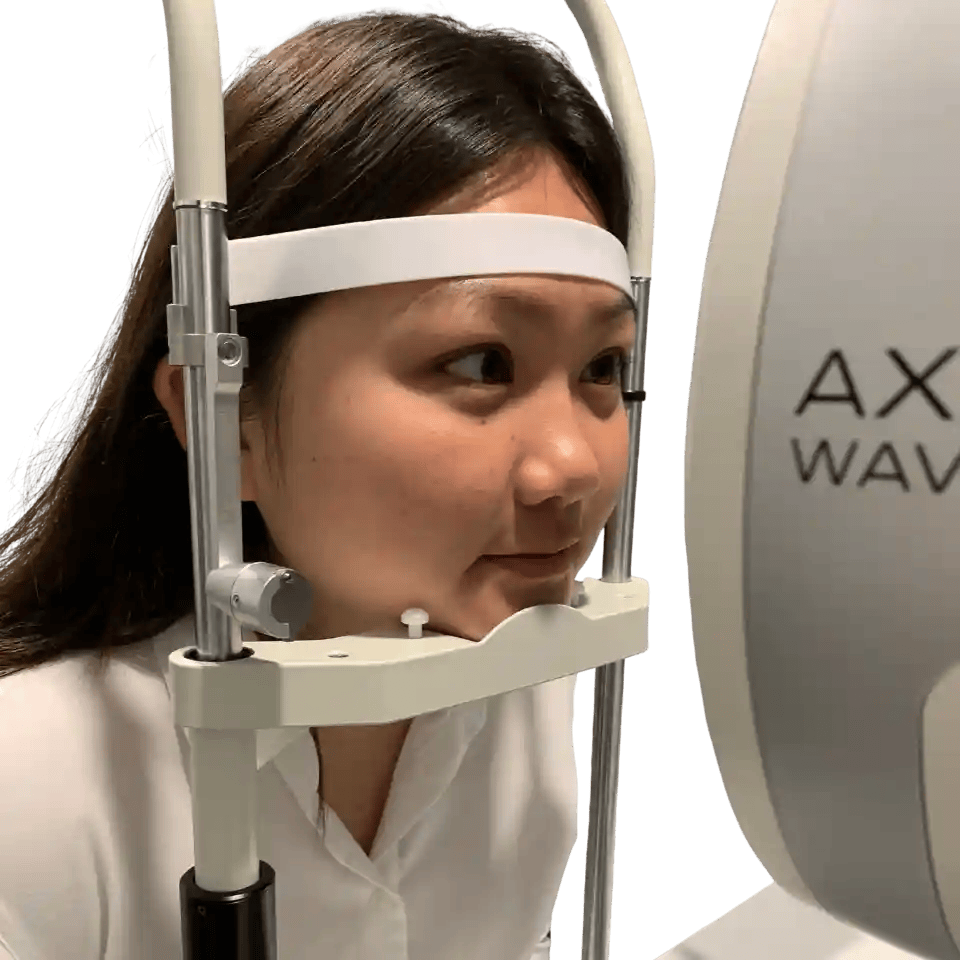
Myopia management is not a one-time treatment. It requires regular follow-up exams to track whether the chosen approach is slowing progression as expected. Our doctors use axial length measurement, which measures the physical length of the eye, to monitor changes that may not be fully captured by a standard prescription test alone.
If your child's prescription is changing quickly or if myopia runs in the family, bringing them in for an evaluation sooner rather than later gives our team the best opportunity to intervene at the right time.
These answers address practical questions our patients often have about prescription changes, beyond what is covered in the sections above.
Small yearly changes are common, especially the add power for near vision in patients over 40 and distance changes in children who are still growing. What matters most is the rate and pattern of change. If your prescription is shifting faster than expected for your age and situation, our doctors will investigate whether an underlying condition is contributing rather than simply updating your glasses and moving on.
There are several possibilities beyond a prescription error. Lens fabrication issues, frame fit, and pupillary distance measurement can all affect how well new glasses perform. It is also possible that your vision changed between the exam and when you picked up the glasses, which can happen with fluctuating conditions like uncontrolled blood sugar or hormonal shifts. Bring your glasses back to our office so we can check both the prescription and the fit before assuming you need another exam.
Yes, and this is one of the most consistently supported findings in myopia research. Time spent outdoors, even without vigorous activity, appears to reduce the rate of myopia onset and progression in children, likely due to the effects of natural light on the developing eye. While outdoor time alone is not a substitute for myopia management treatment in a child whose prescription is already progressing quickly, it is a meaningful and low-effort protective habit worth building into your child's routine.
Not at all. The vast majority of prescription changes reflect normal aging, growing eyes in children, or temporary influences like seasonal allergies, fatigue, or hormonal fluctuations. However, rapid or unexplained changes outside the expected range deserve a closer look. Conditions like keratoconus (a progressive change in the shape of the cornea), early cataracts, and uncontrolled systemic disease can all drive prescription shifts, and identifying them early matters for long-term eye health.
No. Waiting until vision feels significantly impaired means your prescription has likely been off for some time, which can cause unnecessary eye strain, headaches, and difficulty with daily tasks. Annual exams allow our team to catch gradual changes before they affect your quality of life and to identify any underlying conditions in their earlier stages when they are easier to manage.
For most people, myopia stabilizes in the early 20s, and the prescription remains relatively steady until presbyopia begins around age 40. After that, the add power for near vision typically increases gradually through the mid-60s before leveling off. The distance portion of the prescription often stays stable for years between these transitions. That said, health changes, new medications, and conditions like cataracts can cause shifts at any stage of life, which is why ongoing eye care remains important throughout adulthood.
Whether your prescription has been gradually drifting or you have noticed a more sudden change in your vision, our team is here to help you understand what is happening and get your correction back on track. At Insight Vision Optometry, Las Vegas, we combine thorough comprehensive exams with the expertise to identify and address the full range of factors that influence how your vision changes over time. We would be glad to welcome you and make sure your eyes are getting the attention and care they deserve.


