Contact lenses rest directly on the surface of the eye, and over time that contact can cause small, temporary changes to the cornea (the clear dome at the front of the eye). These changes can affect the accuracy of certain tests your eye doctor depends on to check your vision and eye health.
When a contact lens sits on the cornea for hours at a time, it can press on the surface just enough to change its natural curve. This is called contact-lens-induced corneal warpage. The effect is typically small and reversible, but it is present long enough to influence key measurements during an eye exam.
Warpage does not mean the lens has harmed the eye. It simply means the cornea needs time to return to its natural shape before certain tests can be done accurately.
Two types of measurements are most sensitive to recent lens wear. The first is refraction, which is the test that determines your glasses or contact lens prescription. The second is corneal topography, which creates a detailed map of the cornea's surface curve.
Both soft and rigid lens wearers can experience warpage. The difference is how long the cornea takes to recover, which is why removal timelines vary by lens type.
Not every appointment requires you to leave your lenses out beforehand. A routine contact lens fit check or a general eye health review may actually begin with your lenses on the eye. The exams that do require advance removal are those that rely on the cornea's natural, unaffected shape for precise readings.
The right amount of time to leave lenses out depends on the type of lens you wear and the purpose of your visit. Our doctors will give you specific guidance when you book, but the general ranges below can help you plan ahead.
For most contact lens fitting or follow-up appointments, you should arrive wearing your lenses. Your eye doctor will want to see how the lens centers on the eye, how it moves when you blink, and how it rests across the cornea. Lenses are then removed during the exam for additional testing. When in doubt, ask at the time of booking whether to arrive with lenses in.
If your visit is primarily to update your glasses prescription and you wear soft contact lenses, a short period without lenses is usually enough. Your office may ask you to leave them out for several hours or overnight before the appointment. The exact guidance depends on how many hours a day you typically wear your lenses, so follow the instructions you receive rather than a general estimate.
When corneal topography (a detailed surface map of the eye) or refractive surgery screening is planned, a longer lens-free period is needed. Published guidance for refractive surgery evaluations commonly recommends stopping soft lens wear for at least three days before topography. Some patients who wear lenses all day, every day, may be asked to wait longer to allow the cornea to fully return to its natural shape.
Rigid gas permeable (RGP) lenses and older hard lenses shape the cornea more significantly than soft lenses, and the cornea needs more time to recover. For refractive surgery screening, published guidance commonly recommends stopping rigid lens wear for approximately one month before the evaluation. This is a significant break, especially for patients with strong prescriptions who rely on their lenses daily.
Talk with your eye doctor well in advance about how to manage vision during this period. Planning ahead makes the process far easier than trying to adjust at the last minute.
Patients with keratoconus (a condition where the cornea gradually thins and changes shape) often need repeat corneal scans over time to track small changes. Stopping contact lens wear before these scans is standard practice, and the required break depends on the type of lens in use. Your eye doctor will give you clear timing instructions before each monitoring visit so that results stay consistent and meaningful over time.
A small amount of preparation before your visit helps everything go smoothly. Knowing what to bring and what to share with your eye doctor ensures the exam produces results you can rely on.
When you schedule your appointment, ask directly whether you should arrive wearing your lenses and, if removal is needed, how many days in advance. The front desk team can answer this question quickly once they know what type of exam is being scheduled. This brief conversation can prevent an unnecessary rescheduled visit if you arrive and the cornea has not had enough time to settle.
Even if your appointment does not require advance lens removal, you may need to take your lenses out during part of the exam. Arriving prepared makes the process easier for everyone.
Having your glasses with you also means you can leave the office safely if your lenses need to stay out after the visit.
If your exam involves refractive surgery screening or you are a rigid lens wearer, you may need to manage without your contact lenses for days or several weeks. If your glasses are outdated or not wearable, arrange for a usable pair well before the lens-free period begins. Discuss any concerns with your eye doctor in advance so the break can be planned around your work, driving, and daily schedule.
Your eye doctor sets removal timing based on your actual habits, not an average patient's routine. Let the office know if you sleep in your lenses, wear lenses while swimming, reuse daily disposables, or have recently switched lens brands. If you removed your lenses earlier than planned, share that detail too. An accurate wear history helps your doctor calibrate the timing to your specific eyes.

Understanding what happens at your appointment can help you feel prepared and at ease. The order of steps varies depending on the type of exam, but the general flow is similar for most contact lens-related visits.
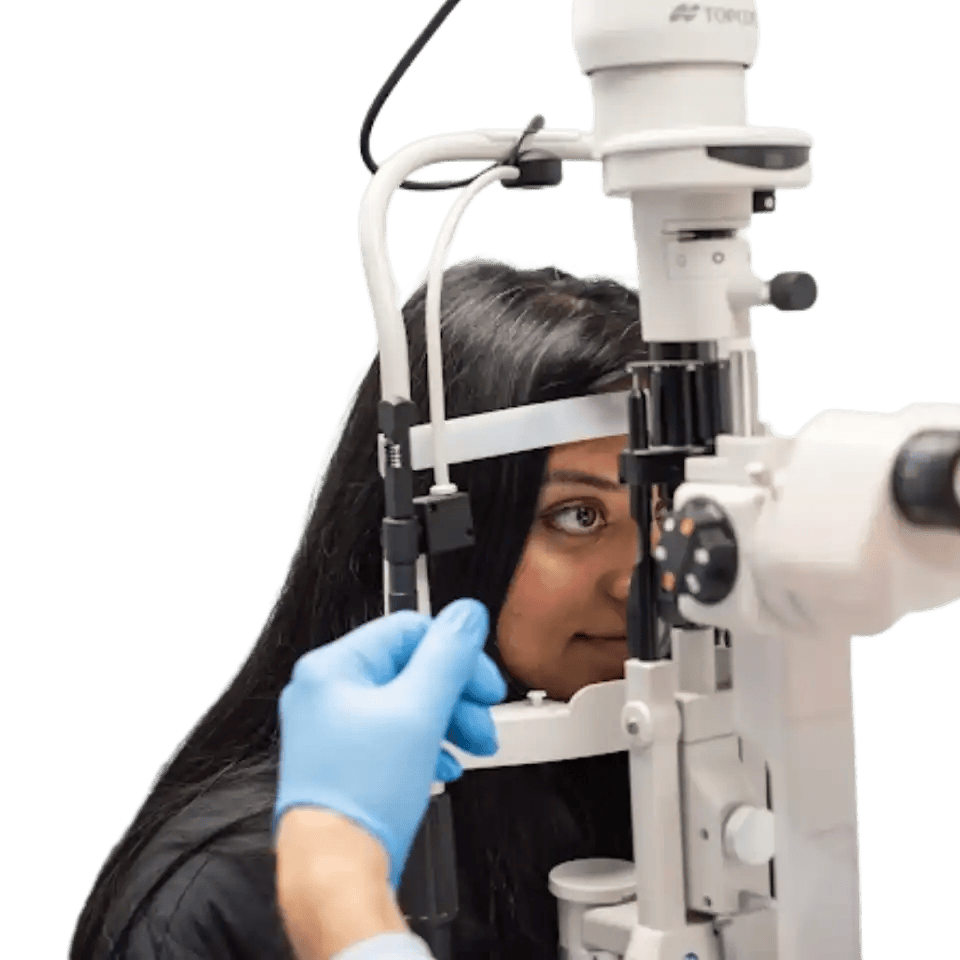
If you arrive wearing lenses, your doctor will often check the fit first. You may be asked to blink, look in different directions, and hold your eyes open briefly while the lens is viewed under a slit lamp (a lighted microscope used to examine the eye). After that, the lenses come out. If you did not bring your own case and solution, the office will have them available.
Once the lenses are out, your doctor will perform the tests that require the cornea's natural state. This can include refraction, topography, and a detailed view of the corneal surface without the lens in place. If results look irregular, your doctor may recommend a longer lens-free period and a return visit before finalizing any prescription or surgical plan. This is not a setback but a sign the process is working as it should.
After a routine follow-up, you may be able to put your lenses back in before leaving. After topography or surgery screening, your doctor may advise keeping lenses out for a set period. If your eyes were dilated during the exam, wait until the office confirms it is safe to reinsert lenses, as dilating drops can coat the lens surface and reduce comfort for the rest of the day.
Some patients find out at their visit that their corneal measurements still look lens-affected. In that case, your doctor will ask for additional time without lenses and schedule a follow-up. Book that return visit before leaving the office so the process continues without delay. Decisions about prescriptions or surgery should only be made from measurements taken on a fully settled cornea.
A few situations call for reaching out to the office before your scheduled visit. Calling ahead protects the accuracy of your results and your eye health.
Some patients notice dryness, mild redness, or a scratchy feeling during the first day or two without lenses. These sensations often settle on their own as the tear film returns to its normal pattern. Call the office if symptoms are strong, if vision blurs in an unexpected way, or if light sensitivity develops. You may need to be seen sooner than your scheduled appointment.
If you are unsure about the removal timing you were given, call before your appointment rather than guessing. Offices expect these questions and can clarify quickly. A short phone call is far easier than rescheduling because the lens-free period was not long enough.
It is common to put lenses in out of habit on the morning of an exam. If this happens, call the office before you leave home. The team can tell you whether the appointment can still go ahead or whether it makes sense to reschedule. Letting them know honestly protects the accuracy of your results and any decisions made from them.
If at any point before or after your exam you notice sudden severe eye pain, pus-like discharge, or a rapid change in vision, do not wait for your scheduled visit. These symptoms can indicate a serious eye condition that needs to be evaluated the same day. Remove your lenses immediately, keep the eye clean, and contact your eye doctor right away for a same-day appointment.
These questions address specific situations and decisions that patients often face when preparing for a contact lens exam or navigating the lens-free period.
Yes, corneal warpage can occur regardless of prescription strength. The lens rests directly on the corneal surface in all wearers, and even mild pressure over time can affect topography and refraction results. Low-prescription wearers are not exempt, though the clinical impact may be smaller in some cases. Always follow the removal guidance your doctor provides based on your individual lens type and wear pattern.
Shortening the break is not recommended before refractive surgery screening. Rigid lenses create more significant corneal reshaping than soft lenses, and the cornea genuinely needs that recovery time to return to its natural measurements. Proceeding with shorter cessation risks a surgical plan built on inaccurate data. If the timing creates real-life challenges, discuss this with your eye doctor well in advance so the break can be planned around your schedule rather than around your exam date.
Yes. Colored and costume lenses are medical devices that rest on the cornea just like clear lenses. They can cause the same warpage effects and require the same lens-free period before precision testing. Be sure to mention any non-prescription or decorative lens wear when you book, so your doctor can account for it when setting removal instructions.
Many patients notice mild dryness, light sensitivity, or a scratchy feeling in the first few days without lenses. These sensations are common as the eye's tear film readjusts. Preservative-free lubricating drops, used as your doctor recommends, can help ease discomfort. If symptoms are significant or your vision changes in an unexpected way during this period, contact the office before your scheduled appointment.
Most patients can drive home if they brought their glasses. If your eyes were dilated during the exam, near vision and light sensitivity may be affected for several hours, and driving can be more difficult. Wearing sunglasses helps, but if the dilation is significant, arranging a ride home is the safer choice. Ask your doctor at the end of the visit whether it is appropriate to drive.
Call the office and ask. The front desk team can confirm what is planned for your visit and give you the right lens removal instructions based on that specific exam. It is always better to clarify in advance than to arrive having done something different from what was recommended. A brief call also gives staff the opportunity to update your appointment details if your needs have changed since you booked.
Our team is here to make sure you arrive prepared and leave with results you can trust. At Insight Vision Optometry, Las Vegas, we take the time to walk every patient through what to do before their visit, including exactly when and how long to leave lenses out, so nothing stands in the way of an accurate exam. We look forward to helping you see your best.


