
Medications work throughout your whole body, and your eyes are no exception. Depending on how a drug functions, it can influence your eye pressure, tear production, lens shape, retina, or optic nerve, sometimes in ways you notice immediately and sometimes gradually over months or years.
Medication-related vision changes show up in many different ways. Some are mild and temporary, while others may signal a more serious problem developing in your eyes.
Even subtle changes, like needing to hold your phone farther away or struggling more with night driving, can be meaningful early signs worth discussing with your eye doctor.
Certain drug categories carry well-known risks to vision. Medications for mental health conditions, including antidepressants and antipsychotics, can cause blurred vision or dry eyes. Drugs for high blood pressure, heart conditions, and autoimmune diseases may also produce visual symptoms.
Steroids taken by mouth or as eye drops can raise eye pressure and increase the risk of cataracts over time. Medications used to treat malaria, cancer, or serious infections can potentially harm the retina or optic nerve. Common allergy pills and decongestants, though widely available without a prescription, can reduce tear production and lead to dry eye symptoms with regular use.
Some vision changes linked to medications are medical emergencies. These symptoms should not be monitored at home and require immediate evaluation.
Sharp eye pain paired with halos around lights and nausea can signal a dangerous spike in eye pressure called acute angle-closure glaucoma. This condition requires emergency treatment to prevent permanent vision loss.
Acting quickly gives you and your doctors the best opportunity to address the problem before it causes lasting harm. The steps below help you respond effectively while keeping your overall medical care on track.
Writing down details about your vision changes helps your care team identify what is causing them. Note the exact date you started any new medication, when you first noticed symptoms, how often they occur, and what time of day they tend to be worst.
Include all medications you take, not just new ones, along with vitamins, herbal supplements, and anything you buy without a prescription. Record the dose and how frequently you take each product. This information becomes a valuable reference when our doctors review your case alongside your prescribing physician.
The provider who prescribed your medication needs to know about any vision changes you are experiencing. Call their office promptly and describe exactly what you are noticing. They can review whether vision problems are a recognized side effect and advise on whether you need a dose adjustment, a different medication, or a referral for further evaluation.
Your prescribing doctor can also communicate directly with our team at Insight Vision Optometry, Las Vegas to share relevant medical information. This kind of coordination ensures that everyone involved in your care is working from the same picture of your health.
An eye examination helps our team determine whether a medication is causing your symptoms or whether a separate eye condition is developing. We check your vision, eye pressure, and the internal structures of your eyes, giving us a clear baseline to monitor over time.
Stopping a medication suddenly can be dangerous, particularly for conditions like high blood pressure, heart disease, or mental health disorders. Even if you strongly suspect your medication is causing your vision symptoms, speak with your prescribing doctor before making any changes to how you take it.
Some medications need to be reduced gradually to prevent withdrawal or medical complications. In many situations, the health benefits of continuing a medication outweigh the vision side effects, and our team can help manage your eye symptoms with additional treatments while you stay on the drug safely.

Our approach to diagnosing medication-related vision issues is thorough and collaborative. We look at the whole picture, combining a careful review of your medication list with a detailed examination of your eyes and, when needed, specialized testing.
At your visit, we ask you to bring all of your medications or provide a complete written list that includes prescription drugs, over-the-counter products, vitamins, and herbal supplements. We review each one to identify which are known to affect vision and look for combinations that could increase your risk.
We pay close attention to when you started each medication and whether that timing lines up with when your symptoms began. Some eye effects only appear after months or years of use, so a thorough medication history going back at least a year is helpful when symptoms are gradual in onset.
Our examination looks at every part of your visual system to find where a medication may be causing changes. We test how well you see at various distances, check how your pupils react to light, and evaluate how your eyes work together as a team.
Some cases call for additional testing to pinpoint exactly how a medication is affecting your eyes. Optical coherence tomography (OCT), a non-invasive imaging scan, creates detailed cross-sectional images of your retina to detect swelling, fluid, or structural changes. Visual field testing maps your peripheral vision and can reveal patterns of damage linked to specific medications.
We may also use corneal topography, which is a detailed map of the shape of your cornea, if you are experiencing focusing problems. Advanced retinal imaging can evaluate blood flow and individual cell layers to detect medication-related damage at its earliest stages, before symptoms become significant.
When medication is suspected as the cause of your vision symptoms, we reach out directly to your prescribing physician or primary care provider to share our findings and discuss next steps. Understanding why you are taking a medication helps us weigh what alternatives or monitoring strategies make sense for your situation.
This coordinated approach allows your entire care team to make decisions together rather than in isolation. We may recommend a dose adjustment, a switch to a different drug, or a plan for regular monitoring, and we communicate those recommendations clearly to everyone involved in your care.
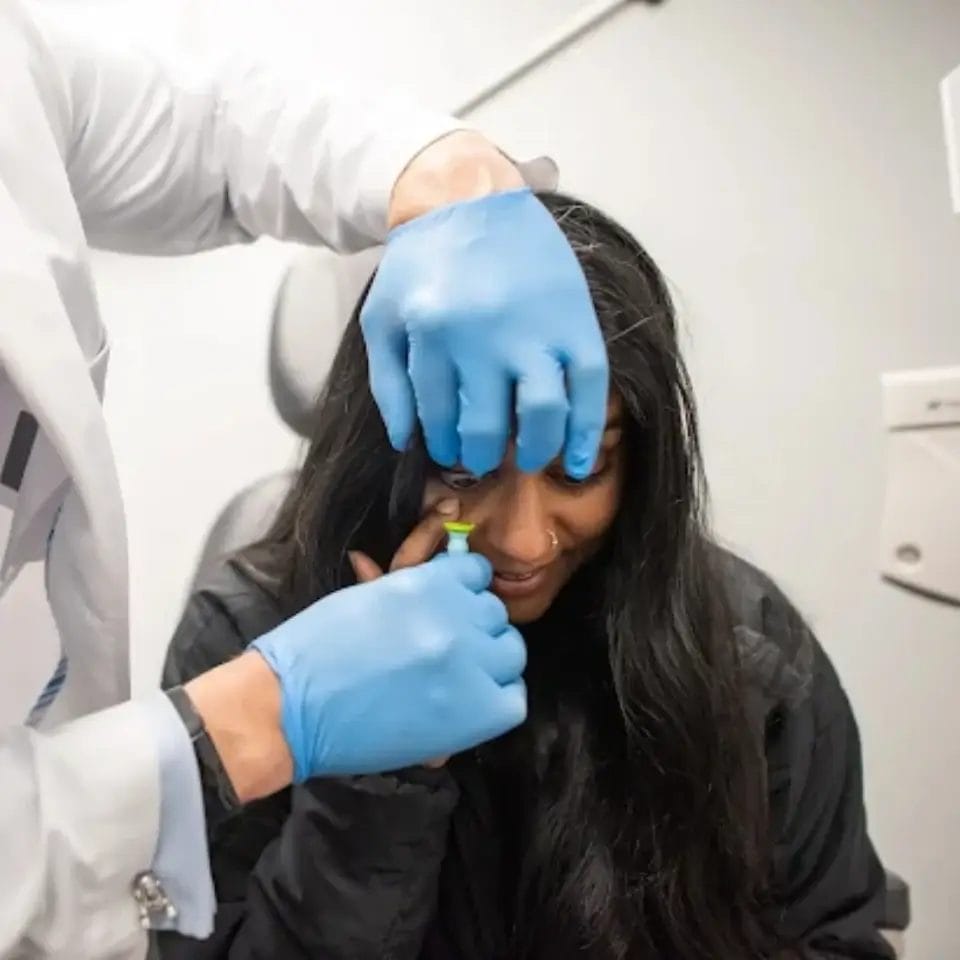
The right treatment depends on which medication is involved, how significant the vision changes are, and how essential the medication is for your health. Our team works with you and your prescribing physician to find the safest path forward.
When a medication is essential and no safer option exists, continuing it with regular eye monitoring is often the most appropriate approach. We schedule follow-up visits at intervals suited to your individual situation, often every three to six months, and repeat key tests to confirm your eyes remain stable.
If we detect any progression of damage during monitoring, we communicate immediately with your prescribing physician to revisit your treatment plan. Early detection is the key advantage of consistent monitoring, as it gives your care team time to act before changes become irreversible.
Reducing the dose of a medication can sometimes relieve vision symptoms while still providing the medical benefit you need. Your prescribing doctor determines whether a lower dose is safe and appropriate for your condition, and we track your eyes after any change to evaluate whether symptoms improve.
Many conditions can be treated with more than one medication, and your prescribing doctor may be able to switch you to a drug that carries less risk to your eyes. This option works best when several effective treatments exist for your condition and the transition can be managed carefully to avoid any gap in your medical care.
After switching, we schedule a follow-up eye exam to check whether your vision symptoms are improving. Some medication-related changes reverse completely once the drug is stopped, while others may take weeks or months to fully resolve. In rare cases, particularly with certain retinal or optic nerve medications, some damage may be permanent, which is why catching problems early and switching promptly matters so much.
When you need to remain on a medication that affects your eyes, we can often treat your eye symptoms directly to improve your comfort and function. For medication-induced dry eyes, we may recommend preservative-free artificial tears, prescription eye drops, or in-office procedures to help your eyes retain moisture.
If your medication causes light sensitivity, specialty tinted lenses can make daily activities more comfortable. When a drug blurs your vision by temporarily changing the shape of your lens or cornea, updating your glasses prescription may restore clear sight. We work with you on practical solutions tailored to your specific symptoms.
If you take medications for chronic conditions, being proactive about your eye health is one of the most important things you can do. Prevention, good communication, and consistent monitoring all work together to reduce your risk of lasting vision problems.
Simple checks between eye exams can help you catch changes early. Cover one eye at a time and look at straight lines like door frames or tile grids to confirm they appear straight and not wavy or distorted. Test your reading vision by noticing whether you need to hold material closer or farther away than usual.
For medications known to carry vision risks, we typically recommend a baseline eye exam before you start the drug to document your eyes' current health. Follow-up exams during the first year may be scheduled every three to six months, depending on the specific medication and your individual risk factors.
Once your eyes are confirmed to be stable on the medication, we may extend the interval between visits to every six to twelve months. That said, you should contact us promptly if you notice any new symptoms between scheduled appointments, as some forms of medication-related eye damage progress quickly.
Before starting any new prescription medication, inform your prescribing doctor about any existing eye conditions, past eye surgeries, or family history of eye disease. Conditions like glaucoma, macular degeneration, and cataracts can be worsened by certain medications, and your doctor needs this information to choose the safest option for you.
Also mention if you wear contact lenses, since many medications cause dry eyes that make lens wear uncomfortable or increase infection risk. Being open and thorough with every member of your healthcare team allows them to prescribe and adjust your treatments with your full eye health picture in mind.
Below are answers to common questions patients ask when they are concerned a medication may be affecting their eyesight.
The timeline varies significantly depending on the drug and how it works in your body. Some medications produce vision changes within hours or days of the first dose, particularly those that alter fluid levels or blood pressure inside the eye. Others may cause changes only after weeks, months, or even years of continued use, especially those that gradually affect the lens, retina, or optic nerve. This variability is one reason consistent eye monitoring matters even when you have been on a medication for a long time without any early symptoms.
Many medication-related vision changes do reverse after you stop the drug, but the extent and speed of recovery depend on how long you took the medication, the dose, and what part of the eye was affected. Symptoms like blurred vision from antihistamines or dry eyes from certain blood pressure drugs often resolve within days to weeks. However, some medications, particularly those that affect the retina or optic nerve, can cause changes that are permanent if the damage is not detected and addressed early. This is why prompt evaluation and monitoring are so important rather than waiting to see if symptoms resolve on their own.
Yes, some supplements can affect your eyes, particularly in very high doses. Fat-soluble vitamins taken in excess over time and certain herbal products have been associated with visual symptoms in some patients. The key issue is that many people do not think to mention supplements to their eye doctor because they seem harmless, but they interact with your overall health just as prescription medications do. Always include everything you take, including vitamins, minerals, and herbal products, on your medication list when you visit our office.
A baseline exam is particularly valuable before starting any medication known to carry eye risks long term, including drugs like hydroxychloroquine used for autoimmune conditions, tamoxifen used in cancer treatment, or high-dose steroids. Having a documented record of how your eyes look before medication exposure makes it far easier to detect subtle changes caused by the drug later on. If your prescribing doctor recommends a medication in one of these categories, reaching out to our team to schedule a pre-treatment eye exam is a wise step even if your vision feels fine.
Yes, having a pre-existing eye condition generally increases your risk. For example, someone with early glaucoma faces greater concern from medications that raise eye pressure, and someone with existing retinal thinning may be more vulnerable to drugs that affect the retina. Older adults are also at higher risk because age-related changes in the eye can compound medication effects. Taking multiple medications at once, having kidney or liver conditions that affect how your body processes drugs, or using higher doses for longer periods are additional factors that elevate risk and make closer monitoring especially important.
Absolutely. Medications applied directly to your eyes can cause vision changes both as intended effects and as unwanted side effects. Dilating drops used during eye exams temporarily blur near vision, sometimes for several hours. Glaucoma medications taken as drops can occasionally cause stinging, changes in eye color, or shifts in prescription over time. Steroid eye drops used to treat inflammation can raise eye pressure or accelerate cataract formation with prolonged use. Even some artificial tears and allergy drops may cause temporary blurriness, and preservatives in certain formulations can irritate the eye surface if used too frequently.
If you are concerned that a medication may be affecting your eyesight, our team at Insight Vision Optometry, Las Vegas is here to help you navigate the situation with clarity and confidence. We conduct thorough eye evaluations, communicate directly with your other healthcare providers, and develop monitoring plans that protect both your vision and your overall health. We invite you to schedule an appointment so we can give your eyes the careful, individualized attention they deserve.


