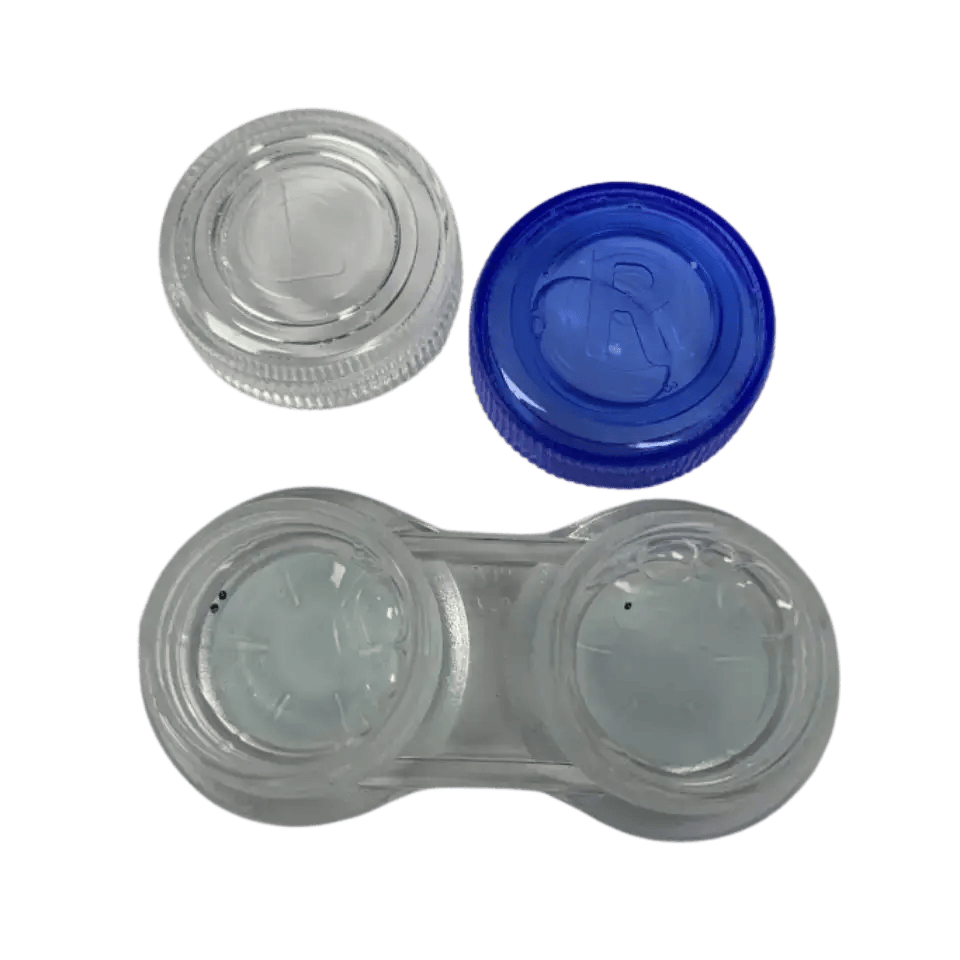
Both FSAs and HSAs allow you to use pre-tax money to pay for qualified medical expenses. The IRS defines which vision costs count, and contact lens care fits squarely within those guidelines. Understanding how these accounts work helps you plan ahead and avoid leaving money unused.
An FSA is set up through your employer. You choose a contribution amount during open enrollment, and those pre-tax dollars are available to spend during the plan year. Most FSAs follow a use-it-or-lose-it rule, though some plans allow a limited carryover or a short grace period after the year ends.
An HSA is tied to a high-deductible health plan and is owned by you personally. HSA balances roll over from year to year, grow tax-free, and travel with you if you change jobs. Both account types cover the same vision-related expenses. The key difference is flexibility and how long your funds remain available.
The IRS lists contact lenses as a qualified medical expense under Publication 502, alongside eye exams and eyeglasses. The FDA classifies all contact lenses, including decorative plano lenses worn only for appearance, as prescription medical devices. Because lenses require a valid prescription from a licensed eye care provider, they meet the IRS standard for a medical expense and qualify for FSA and HSA reimbursement.
Most contact lens wearers have a predictable set of annual expenses that qualify for reimbursement. Planning for these during open enrollment makes it easier to set the right contribution amount.
For everyday contact lens expenses, both accounts work the same way. You pay for a qualified item and either swipe your FSA or HSA debit card directly or submit a receipt for reimbursement. The practical difference shows up at the end of the year. FSA funds expire, so they require active planning. HSA funds carry forward, giving you more freedom to decide when to spend or save.
Most contact lens-related purchases qualify, but a few categories can require extra documentation or may not be covered. Knowing what to expect before you buy helps you avoid claim delays or denials.
Prescription contact lenses qualify in any form, including daily disposables, two-week and monthly lenses, rigid gas permeable lenses, scleral lenses, and specialty lenses for irregular corneas. Cleaning and storage solution qualifies, as do lens cases, because they are part of routine and medically necessary lens care. Lubricating drops made for contact lens wearers are generally covered, though some plans apply stricter rules to over-the-counter items. Reviewing your plan summary before stocking up in large quantities is always a good habit.
A comprehensive eye exam is a listed qualified expense under IRS guidelines. The contact lens fitting fee also qualifies, and some practices bill it separately from the basic exam. Our doctors recommend an annual eye exam for all contact lens wearers, which covers a prescription update, a corneal health evaluation, and a fitting check. If you are switching to a specialty lens such as a scleral lens, a dedicated fitting visit may be scheduled in addition to the routine exam. Keeping an itemized receipt from each visit ensures both fees can be submitted together on your claim.
Some specialty lenses or less common purchases may trigger a request for additional paperwork from your plan administrator. Decorative plano lenses, although FDA-regulated and prescription-required, are occasionally flagged as cosmetic by certain plans. Specialty medical lenses, such as those prescribed for keratoconus or severe dry eye, may require proof of the underlying condition. In these cases, a letter of medical necessity from your optometrist is typically all that is needed to resolve the review. Our team writes these letters routinely and can provide one whenever your plan requests it.
A few common purchases do not qualify for FSA or HSA reimbursement. Shipping fees on online lens orders are not covered. Lens warranty upgrades and cosmetic add-ons do not qualify. Non-prescription sunglasses are excluded, but prescription sunglasses do qualify. When in doubt, check your plan's eligibility list or ask your plan administrator before the purchase, since it is easier to confirm coverage before you buy than to dispute a denial afterward.
Getting full value from your FSA or HSA takes a little planning, but the routine nature of contact lens expenses makes it straightforward. A few smart habits throughout the year help you avoid a last-minute rush and make sure no eligible dollars go to waste.
Open enrollment is the right time to estimate your year's vision costs. A typical contact lens wearer can account for the annual exam fee, a year's supply of lenses, solution, and cases. If you also plan to purchase prescription eyeglasses as a backup, add that to your estimate as well. Contributing too little means paying out of pocket for expenses that could have been pre-tax. Contributing too much can create pressure to spend in December before the deadline.
If you notice a remaining FSA balance late in the plan year, purchasing a lens supply or extra solution is a practical way to use those funds before they expire. Sealed lens boxes remain usable well past the purchase date as long as the printed expiration on each lens has not passed. Solution follows the same shelf-life rules. Scheduling your annual exam in late fall, if you have not yet had it, is another effective way to put a remaining balance to good use.
Because HSA balances roll over and can grow tax-free, you have more flexibility in how and when you spend them. Some account holders prefer to pay routine vision costs out of pocket while saving receipts, then reimburse themselves from the HSA at a later date, even years later, if they choose. This approach allows the HSA balance to grow over time while keeping it available for larger vision expenses down the road. Keeping your receipts and prescription records organized is essential if you plan to use this strategy.
Vision insurance typically pays a set benefit toward your annual exam and a separate allowance toward your lens supply. Your out-of-pocket portion above those allowances is exactly what FSA and HSA dollars are designed to cover. Most plan administrators want an explanation of benefits from your insurer along with an itemized receipt showing what you paid after insurance. Using your insurance benefit first, then applying pre-tax dollars to the remaining balance, stretches both resources as far as they can go.

The right paperwork is what separates a smooth claim from a delay. Most FSA and HSA administrators need a small set of standard documents, and our team is set up to provide everything you need at each visit.
An itemized receipt is the most important document for any FSA or HSA claim. It should include the date of service, the patient's name, the provider or vendor, a description of each item or service, and the amount charged. A plain credit card statement is not enough on its own. Our office can print a detailed itemized receipt at checkout or provide one through the patient portal on request. Saving a digital copy right after the visit or purchase keeps it accessible when you are ready to file a claim.
Federal law requires a valid, unexpired prescription before any contact lens purchase. FSA and HSA administrators sometimes request a copy of the prescription when reviewing a first claim or a claim for a new lens type. A contact lens prescription typically includes the base curve, diameter, power, and the brand or material. Most prescriptions are valid for one year, though some states allow two. Renewing your prescription on schedule, which your annual eye exam accomplishes, prevents delays when you need to reorder lenses.
Some claims, especially those involving specialty lenses for conditions like keratoconus, severe dry eye, or corneal irregularities, may prompt a request for a letter of medical necessity from your optometrist. This letter explains why the specific lens type is required for your eye health rather than for cosmetic preference. Our doctors write these letters as part of routine care. If your plan administrator requests one, simply let our team know and we will prepare it for you. Filing the letter alongside your claim usually resolves the question quickly.
FSA and HSA accounts are subject to IRS audit. You should keep receipts, prescriptions, and explanation-of-benefits forms for at least three years from the date you file the related tax return. Many financial advisors suggest keeping records longer for added protection. A dedicated folder, either physical or digital, with your vision-related documents is a simple safeguard. Most FSA and HSA plan portals also store your submitted claims online, which can serve as a backup record.
Timing your annual exam strategically can help you use your FSA balance before it expires, capture a full lens supply within the plan year, and stay on top of the routine care that keeps contact lens wear safe. There is no single best time, but a few common patterns work well for most wearers.
Scheduling your annual exam in the first quarter gives you a fresh prescription and a clear picture of what supplies you will need for the rest of the year. Once open enrollment has closed and contributions are set, an early exam visit lets you order a full year's lens supply without scrambling in December. It also leaves time for a second visit if your prescription changes or if you are transitioning to a new lens type.
Wearers who notice a remaining FSA balance in October or November often book their annual exam in the fall if they have not already had it. The visit can include the exam fee, a fitting fee if needed, and a fresh order of lenses and solution, all of which can be submitted within the plan year. Scheduling this visit is not just a financial strategy. It is the routine care that keeps lens wear healthy and your prescription current.
FSA and HSA dollars also cover urgent eye care visits, and urgent symptoms should never wait for financial reasons. Sharp eye pain, sudden blurred vision, significant redness, increased light sensitivity, or a sudden increase in floaters after lens wear all warrant same-day evaluation. Contact lens-related infections can progress quickly. Using pre-tax dollars for an urgent visit is both medically appropriate and financially sensible. Please do not delay care because of cost if any of these symptoms appear.
At every exam and fitting visit, our office provides itemized receipts that clearly separate the exam fee, any fitting fee, and the cost of lenses or supplies ordered through our practice. Patients can request copies at checkout or through the patient portal. If your plan asks for a letter of medical necessity, our team can prepare one before you leave or have it ready for you shortly after. Bringing your FSA or HSA card to checkout allows our team to charge eligible expenses directly when the merchant category code is accepted.
Here are answers to some of the most common questions patients ask about using FSA and HSA funds for contact lenses and vision care.
In most plans, yes. FSAs cover qualified medical expenses for the account holder, their spouse, and tax dependents. HSAs follow the same general rule for dependents. Confirm the specifics with your plan administrator before submitting a family member's receipts, since documentation should be in the patient's name. Keep the prescription and itemized receipt for each family member separate to simplify the claim process.
A declined FSA card does not mean the expense is ineligible. The merchant's category code may not match a recognized medical category, the card may have reached its daily or per-transaction limit, or the transaction may have been flagged for review. If your card declines, pay with another method and submit the itemized receipt for manual reimbursement through your FSA portal. Keep the receipt and ask our front desk for an itemized breakdown to attach to your claim.
This is an area where caution is important for both safety and compliance. HSA funds are intended for FDA-cleared devices purchased through licensed sellers. Contact lenses bought from international sellers without FDA clearance may not meet US safety standards and could put your eye health at risk. They may also be denied during an HSA audit. Purchasing lenses from a licensed US-based source, including your eye doctor's office or a US-licensed online retailer, protects both your eyes and your account.
FSA claim deadlines are stricter than HSA deadlines. Most FSA plans require claims to be submitted within the plan year or a short grace period immediately after. Waiting until tax season often means missing the window entirely. HSAs have no reimbursement deadline, so you can wait years before filing a claim as long as you keep the original receipt. For FSAs, filing claims as expenses occur throughout the year is the safest approach to avoid losing eligible funds.
Yes. Any out-of-pocket amount you pay after vision insurance applies is a qualified medical expense. This includes copays for exams, your share of a fitting fee, and the portion of a lens supply order that insurance does not cover. The cleanest documentation is your insurer's explanation of benefits combined with our itemized receipt, which together show exactly what insurance paid and what you owed. This pairing makes the claim straightforward for your plan administrator to process.
FSA balances generally do not transfer with you when you change employers. Some plans offer a run-out period that allows you to submit claims for expenses that occurred before your last day of work, even after you leave. If you are planning a job change, using your FSA balance before your last day is the most reliable approach. HSA balances, by contrast, remain yours regardless of employment status, so switching jobs has no impact on your ability to use those funds for future contact lens or vision expenses.
Our team is experienced in helping patients make the most of their FSA and HSA benefits for all types of contact lens care, from routine soft lens fittings to advanced specialty lens evaluations. We provide the itemized documentation, prescriptions, and letters of medical necessity that keep your claims moving smoothly. Whether you are scheduling your annual exam, stocking up on lenses before a plan deadline, or exploring specialty lenses for the first time, we are here to guide you through both the clinical and financial side of your care. We look forward to seeing you.


