
Rosacea is not only a skin condition. It can affect the eyelids, oil glands, and the front surface of the eye in ways that make wearing contact lenses genuinely difficult. Understanding what is happening inside the eye helps explain why contact lens discomfort with rosacea is so common and why treating the eye itself matters just as much as treating the skin.
Ocular rosacea is a long-term inflammatory condition affecting the eyelids, eyelid oil glands, and the surface of the eye. It causes redness, burning, grittiness, and blurred vision that tends to shift throughout the day. Many wearers notice symptoms most in the late afternoon. Flares are often triggered by stress, heat, spicy foods, or alcohol. The eye form of rosacea frequently appears alongside the skin form, though not always at the same time.
Eye involvement is more common than many patients realize. A significant portion of people with skin rosacea develop eye signs at some point, and some develop eye symptoms before any skin changes appear. If you have facial flushing, visible redness across the cheeks or nose, or small skin bumps associated with rosacea, it is worth telling your eye doctor even if your eyes feel fine. That history can shape your care plan early and help prevent problems before they start.
The eyelid edge contains tiny glands called meibomian glands. These glands produce the oily layer that sits on top of the tear film and prevents tears from evaporating too quickly between blinks. Rosacea causes these glands to become blocked and inflamed, a condition known as meibomian gland dysfunction. When the oil layer is thin or absent, tears evaporate faster and the eye surface dries out. For contact lens wearers, this creates the classic cycle of dryness, grittiness, and early lens removal.
Contact lens intolerance in rosacea patients is closely tied to meibomian gland dysfunction. When the tear film lacks a stable oil layer, a lens moving across the eye with each blink drags against a dry surface rather than gliding smoothly. This leads to burning, redness, and the urge to remove lenses well before the end of the day. Switching lens brands without addressing the underlying oil gland problem often provides little lasting relief.
Current dry eye care guidance recommends treating the underlying surface disease before making changes to contact lens type or wear schedule. Rosacea-related lid inflammation drives ongoing lens intolerance, and calming that inflammation is the most effective first step. Chasing the symptom by switching lenses alone rarely provides lasting comfort.
Daily eyelid care is the cornerstone of managing ocular rosacea. Applying a warm compress to the closed eyelids twice a day, followed by gentle massage, helps loosen blocked oil gland secretions and restore the oil layer. Cleansing the lash line with a gentle lid wipe or diluted baby shampoo removes buildup that can worsen gland blockage. This routine should be maintained even on days when the eyes feel comfortable, since rosacea is a long-term condition that requires consistent management.
Depending on what your eye doctor finds during an exam, additional treatment steps may be recommended. These options target different parts of the inflammatory process.
Most rosacea treatment plans take four to eight weeks before their full benefit becomes clear. During that window, the lid margin typically becomes less inflamed, tear evaporation slows, and lens-wearing time gradually increases. It is important to continue the routine even after the eyes feel better. Rosacea is a chronic condition, and the comfortable periods depend on ongoing daily care rather than any single treatment.
Once the eye surface is being actively treated, adjustments to your lens routine can make a meaningful difference in daily comfort. The goal is to reduce additional strain on an already sensitive surface while treatment takes effect.
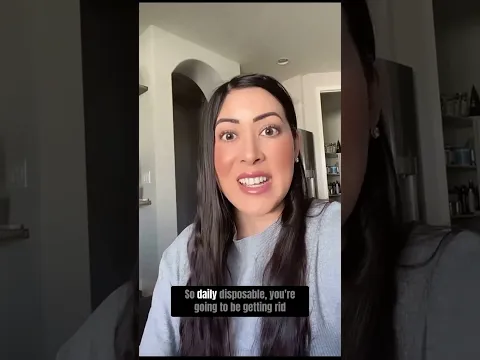
Many wearers with rosacea find that daily disposable lenses are more comfortable than lenses worn for multiple days. A fresh lens each morning means there is no accumulated deposit buildup from previous wear, and disposing of the lens at night eliminates overnight case contamination risks. If you are currently using monthly or two-week lenses, asking your doctor for a daily disposable trial is a reasonable next step before making any larger changes.
Cutting back on daily lens-wearing hours during an active flare gives the eye surface a chance to recover. Many wearers find that wearing lenses during work hours and switching to glasses in the evening helps, since the eye tends to be drier later in the day. Keeping a clean, up-to-date glasses prescription on hand means you always have a comfortable backup available when the eye is not tolerating lenses well.
Common rosacea triggers affect both the skin and the eyes. Recognizing your personal triggers and reducing exposure during periods of high stress or illness can help prevent flares from interfering with lens wear. Tracking symptoms alongside daily habits is one of the most practical tools available.
Small daily habits contribute to a calmer eye surface over time. Use lipid-based artificial tears labeled as safe for contact lens wear when the eye feels dry during the day. Remove eye makeup completely each night with a gentle lid wipe rather than oil-based makeup removers near the lash line. Rinse and air-dry lens cases daily, and replace the case every three months. These steps reduce the deposit and irritant load on an already reactive surface.
Ocular rosacea is manageable, but it can occasionally lead to more serious problems if warning signs are missed or ignored. Knowing when to act quickly is an important part of living safely with this condition as a contact lens wearer.
Eye signs can appear or worsen even when the skin is calm, which is why annual eye exams are important for anyone with rosacea. Your doctor will examine the lid margin, evaluate meibomian gland function, and assess the tear film. Skin treatment alone does not protect the eye, and changes in the oil glands or lid margin can develop gradually without producing noticeable symptoms until they become significant.
Certain changes in your eyes deserve prompt attention within a few days rather than waiting for your next scheduled exam. Contact our office within the week if you notice any of the following.
Some symptoms suggest the cornea, the clear front surface of the eye, may be affected. Remove your lenses immediately and contact our office right away if you experience any of the following.
Ocular rosacea responds well to steady, ongoing management. Most contact lens wearers with rosacea are able to continue wearing lenses with the right combination of daily lid care, appropriate drops, and regular follow-up. Some wearers shift to glasses during the most difficult flares and return to lenses once the surface settles. The plan can flex over time to match how your eyes change, and consistent follow-up with your eye doctor is the most reliable way to stay ahead of flare-ups.
These questions address situations and decisions that come up often for contact lens wearers managing ocular rosacea.
Many patients do return to comfortable daily lens wear, though it takes time and a consistent treatment plan. The key is addressing the lid and tear film issues first rather than expecting a lens change alone to solve the problem. Most wearers begin to notice meaningful improvement after six to eight weeks of consistent lid care and any prescribed medications. Communicating setbacks to your doctor allows the plan to be adjusted before frustration sets in.
Scleral lenses can be a helpful option for wearers who have tried multiple soft lens types without achieving reliable comfort despite treating the underlying rosacea. Scleral lenses rest on the white part of the eye and hold a continuous fluid reservoir over the cornea, which provides constant hydration to the eye surface throughout wear. They require a specialty fitting appointment and carry a higher cost than soft lenses, but for patients with significant surface disease they can make lens wear possible again. Bring this up with your doctor if you have worked through two or more soft lens options without success.
Most topical rosacea creams are formulated for the thicker skin of the cheeks and forehead, not for the delicate skin of the eyelids. Applying face creams near the lid margin can cause irritation and may introduce products onto the lens surface. Ask your eye doctor before using any facial product near the eyes, and use a purpose-made lid hygiene wipe for the lash line instead. Keeping face creams below the brow and away from the lid edge is the safest approach.
Taking a short break from lenses during an active flare can give the eye surface time to recover and allows treatments to work without the added friction of a lens moving across the eye. A few days to a week in glasses during a significant flare is a reasonable and practical choice. When you are ready to return to lenses, daily disposables tend to feel best for the transition back, since each lens starts fresh without any residual deposit or irritant load.
Omega-3 supplements support the oil layer of the tear film over time, but they are not a fast-acting treatment. Most eye care guidelines suggest allowing at least three months of consistent daily supplementation before evaluating the effect. This is why omega-3 is considered a long-term supportive step rather than a stand-alone solution for an active flare. Your doctor can recommend an appropriate dose and help you determine whether supplementation is making a difference at follow-up visits.
Low-dose oral doxycycline is commonly used for its anti-inflammatory effects in rosacea-related eyelid disease. The dose used for inflammation management is considerably lower than what would be prescribed to treat an infection, which reduces the risk of antibiotic-related side effects. The length of any course is determined by your doctor based on how the condition responds, and follow-up visits are used to monitor effectiveness and watch for any side effects. This is typically used as part of a broader plan that includes lid hygiene and other treatments, not as a standalone measure.
If your lenses are burning, blurring, or simply not lasting through the day, our team is here to help you find real answers. We offer comprehensive evaluations of lid health, meibomian gland function, and tear film quality so we can build a care plan that addresses the source of the problem. Our doctors have extensive experience supporting contact lens wearers with complex surface conditions, and we will work with you to find an approach that keeps lenses comfortable for the long term. We would be glad to see you and get started on a plan that works for your eyes and your life.


