Prediabetes is a condition in which blood sugar is higher than normal but not yet high enough to meet the criteria for type 2 diabetes. Many people are surprised to learn that even at this earlier stage, the eyes can already be affected in ways that have no symptoms at all.
A doctor may identify prediabetes through a fasting blood sugar test or a hemoglobin A1C test, which measures average blood sugar over the previous two to three months. Prediabetes is common, and most people who have it feel completely normal, which is why so many cases go unnoticed for years.
The retina is the light-sensitive tissue at the back of the eye that converts what you see into signals your brain can interpret. It depends on a dense network of very small blood vessels to function. When blood sugar stays elevated over time, even at prediabetic levels, those blood vessels can begin to weaken and show early signs of damage.
Research has shown that some people with prediabetes already have early retinal changes that resemble the very first stage of diabetic retinopathy (damage to the retina caused by high blood sugar). These changes are typically subtle and cause no noticeable change in vision, which is why they can only be found during a comprehensive eye exam.
Finding retinal changes early gives you and your care team the best opportunity to take protective action before anything progresses. If an eye exam identifies early signs of blood vessel damage, that information can serve as additional motivation to address blood sugar through lifestyle changes, and it gives your eye doctor a baseline to compare against in future visits.
Early detection also allows for a monitoring schedule built around your specific level of risk. You do not have to wait for a full diabetes diagnosis to start protecting your vision. The earlier these changes are caught, the more options remain available for keeping them from worsening.
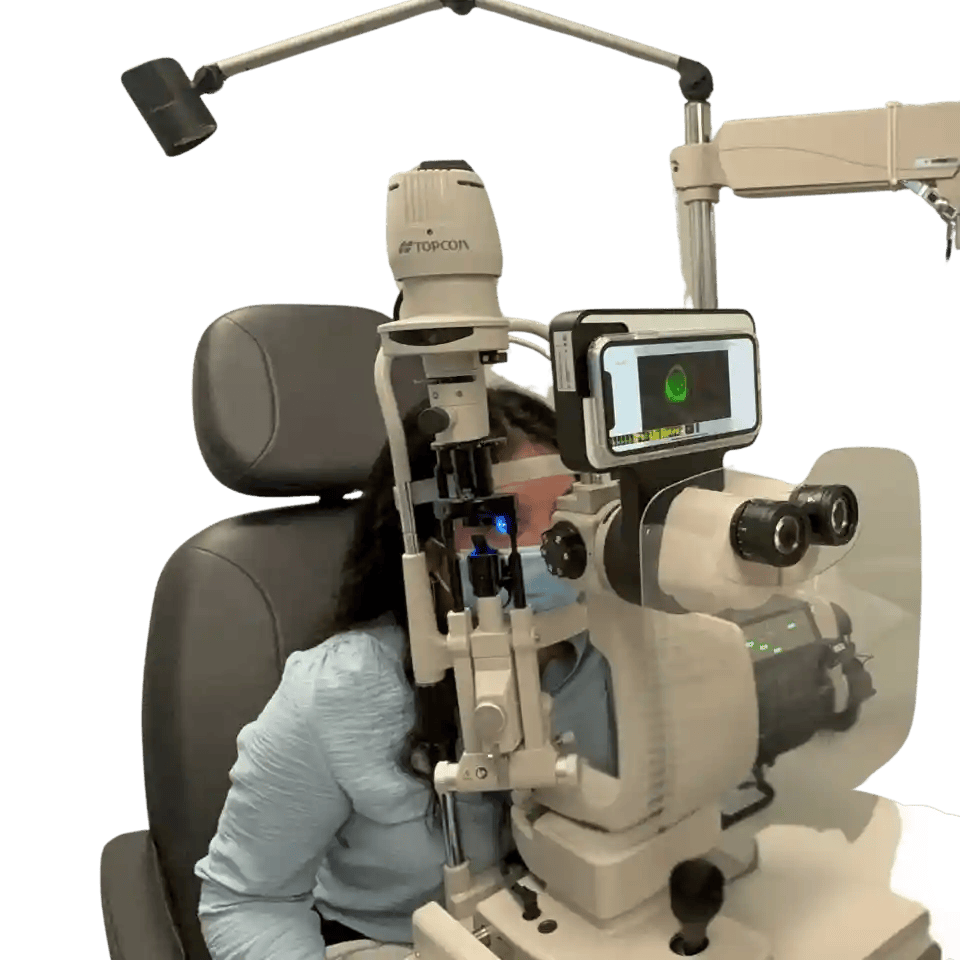
A comprehensive dilated eye exam is one of the most important steps you can take after a prediabetes diagnosis. This type of exam allows our doctors to look directly at the blood vessels and tissue at the back of your eye, where the earliest signs of damage appear.
Before the exam, your doctor will place drops in your eyes to widen, or dilate, your pupils. This allows a clear view of the retina and surrounding blood vessels. The exam itself is painless, though your vision may be blurry and your eyes may be sensitive to light for a few hours afterward.
During the exam, your doctor looks for specific early warning signs in the retinal blood vessels. These can include microaneurysms (small bulges in the vessel walls), tiny areas of bleeding, or early signs of fluid leakage. Imaging technology such as optical coherence tomography (OCT), which produces a detailed cross-section image of the retinal layers, and retinal photography may also be used to document the current state of your retina for future comparison.
If you have been diagnosed with prediabetes, scheduling a baseline dilated eye exam as part of your overall health plan is a reasonable and increasingly recommended step. The same reasoning used to support eye exams at the time of a diabetes diagnosis applies here: blood sugar may have been elevated for some time before prediabetes was identified through routine lab work, and the retina may have already been exposed to that elevation.
Factors that make an early exam especially worthwhile include a family history of diabetic eye disease, high blood pressure, high cholesterol, or any visual symptoms such as blurriness or difficulty seeing in low light. Even without these added risk factors, a baseline exam provides information that supports smarter, more personalized care going forward.
If your initial exam shows no retinal changes, a follow-up exam in one to two years is typical, depending on your overall risk profile. If early changes are found, your doctor may recommend returning every six to twelve months to monitor whether those changes are progressing or holding stable.
Your exam schedule may also shift based on changes in your health. If prediabetes progresses to type 2 diabetes, annual dilated eye exams become the standard recommendation. If your blood sugar returns to a normal range through lifestyle changes, your doctor may feel comfortable with less frequent monitoring. Keeping both your primary care doctor and your eye doctor informed of any changes ensures your schedule stays appropriate over time.
The steps that protect your overall health at the prediabetes stage are the same steps that protect your eyes. Blood sugar management is at the center, but several other factors also play an important role in keeping your retinal blood vessels healthy.
Reducing refined carbohydrates, increasing fiber, and choosing whole foods over processed ones can help stabilize blood sugar levels. Regular physical activity helps muscles use glucose more efficiently and improves insulin sensitivity, making it easier for your body to maintain healthier blood sugar levels without medication.
Research has shown that people with prediabetes who make and sustain lifestyle changes can significantly reduce their risk of progressing to type 2 diabetes. By keeping blood sugar in a healthier range, you reduce ongoing stress on the small blood vessels throughout your body, including those in your retina.
Blood pressure and cholesterol both influence the health of the retinal blood vessels, and elevated levels of either can compound the damage caused by high blood sugar. High blood pressure puts added stress on the walls of those tiny vessels, and high cholesterol can contribute to deposits that reduce healthy blood flow within the retina.
Your primary care doctor may recommend medication if lifestyle changes alone are not enough to bring these numbers into a healthy range. Taking those medications as prescribed and attending follow-up appointments to monitor their effectiveness is just as important as managing your blood sugar when it comes to protecting your eyes.
Smoking damages blood vessels throughout the body and significantly increases the risk of eye disease. Quitting is one of the most impactful steps you can take for your eyes and your overall health. Maintaining a healthy weight also reduces cardiovascular strain and supports better blood sugar regulation.
Eating foods rich in leafy greens, colorful fruits, and omega-3 fatty acids (such as those found in fish) provides nutrients that support retinal health. Staying hydrated and getting consistent sleep support your body's ability to regulate blood sugar and recover over time. These habits work alongside your medical care to create the best possible conditions for long-term vision protection.

Understanding how a potential shift to type 2 diabetes would affect your eye care helps you stay prepared and proactive. The monitoring structure changes significantly once a diabetes diagnosis is made, and having already established a relationship with your eye doctor makes that transition easier.
Medical guidelines recommend that all adults diagnosed with type 2 diabetes receive a comprehensive dilated eye exam at the time of diagnosis and at least once every year thereafter. This is because diabetic retinopathy can develop and progress without any noticeable change in vision, and routine exams are the only reliable way to detect it early.
If you have already been getting eye exams during the prediabetes stage, you will benefit from having an established baseline. Your eye doctor can compare current retinal images to earlier ones and identify any new changes with much greater precision. That continuity of care is one of the most valuable outcomes of starting eye exams before a full diabetes diagnosis is made.
Many people delay their first eye exam after a diabetes diagnosis because they feel fine or are managing multiple new appointments at once. However, type 2 diabetes often develops silently over a period of years before it is identified through lab work. During that time, the retina may have already been exposed to damaging levels of blood sugar.
Getting an eye exam promptly after a diabetes diagnosis allows your doctor to assess the current state of your retina and determine whether any changes require closer monitoring or intervention. The earlier those changes are found, the more options are available for managing them and preserving vision over the long term.
Bringing your blood sugar back to a normal range significantly reduces your risk of developing the eye complications associated with diabetes. However, it does not automatically erase any effects that elevated blood sugar may have already had on your retinal blood vessels. Early changes that occurred during the prediabetes period may still be present, even after blood sugar improves.
Even if you successfully reverse prediabetes, continuing periodic eye exams is a wise practice, particularly if any early retinal changes were identified during previous visits. Your doctor can monitor whether those changes remain stable or resolve over time. Maintaining healthy blood sugar, blood pressure, and cholesterol going forward provides the best ongoing protection for your vision.
These answers address common questions about prediabetes and eye health that go beyond the basics covered above.
No, not everyone with prediabetes will have retinal changes. The likelihood depends on how long blood sugar has been elevated, whether other risk factors like high blood pressure or high cholesterol are also present, and individual differences in how blood vessels respond to elevated glucose. Getting a baseline exam is the only way to know where you stand, since these changes cause no symptoms on their own.
Let your doctor know about your prediabetes diagnosis, how long you have had it, any related conditions like high blood pressure or high cholesterol, and any medications you are currently taking. Mention any visual symptoms you have noticed, even mild ones, and share the results of recent lab work if you have them available. This context helps your doctor tailor the exam and set the right monitoring schedule for you.
In most practices, your eye doctor can provide a summary of findings to your primary care team, but you should confirm this at your visit and give authorization if needed. Actively sharing exam results between your doctors is something you can coordinate yourself by requesting a copy of your eye exam report to bring to your next primary care appointment. This shared information supports better decisions on both sides of your care.
It is generally better not to wait. The value of an early exam lies partly in detecting any changes that may have already occurred, not just preventing future ones. If changes are present, knowing about them can actually reinforce your motivation to manage blood sugar more diligently. Waiting until your numbers improve means potentially missing a useful window for establishing a baseline or identifying early damage that has already begun.
Most early retinal changes from prediabetes produce no noticeable symptoms, which is exactly why routine exams matter so much. However, certain changes in vision should prompt a prompt call to your eye doctor rather than waiting for a scheduled appointment. These include sudden blurriness, new floaters (spots or strings in your vision), flashing lights, distorted central vision, or any sudden change in how clearly you can see. These may signal a more urgent condition that warrants same-day evaluation.
Coverage varies depending on your insurance plan and how the exam is billed. A comprehensive eye exam may be covered under a vision plan, while a medically indicated exam based on a health condition like prediabetes may be covered under medical insurance instead. It is worth contacting your insurance provider before your appointment to understand what is covered and whether a referral is needed. Our team can also help clarify your options when you schedule.
Our team at Insight Vision Optometry, Las Vegas is here to provide thorough, personalized eye care at every stage of your health journey, including the prediabetes stage where early action matters most. We use advanced imaging technology to examine your retina in detail and work with you to build a monitoring plan that fits your specific risk profile. Taking this step today can make a meaningful difference in protecting your vision for years to come.


