Understanding how diabetes affects your eyes makes it easier to take the right steps early. The changes in the eye often happen quietly, long before any vision problems appear.
The retina is the thin layer of tissue at the back of your eye that senses light and sends images to your brain. When blood sugar stays high over years, it weakens the tiny vessels that feed the retina. These vessels can leak fluid, swell, or close off completely, which starves parts of the retina of oxygen. In response, the eye may try to grow new blood vessels, but these new vessels are fragile and can bleed or pull on the retina, causing serious damage.
Anyone with type 1 or type 2 diabetes can develop retinopathy, but certain factors increase the likelihood. Knowing your personal risk helps you and your care team focus on the right steps early.
Diabetic retinopathy often starts with no symptoms at all. By the time vision changes appear, the disease may already be advanced and harder to treat. Starting protective habits early gives your eyes the best possible chance to stay healthy, and many of those same habits also protect your heart, kidneys, and nerves at the same time.
Without good diabetes management, retinopathy can progress from mild to severe over time. In its most advanced form, it can lead to bleeding inside the eye, a detached retina, or loss of central vision. Many people also develop diabetic macular edema, which is swelling in the center of the retina that blurs the part of your vision used for reading and recognizing faces. Most of this damage cannot be reversed, which is exactly why prevention is so important.
Controlling blood sugar is the single most powerful thing you can do to protect your eyes from diabetes-related damage. Consistent control over months and years is what makes the biggest difference.
The A1C is a blood test that reflects your average blood sugar over the past two to three months. It is the strongest predictor of whether you will develop eye damage from diabetes. Keeping your A1C close to the goal your care team sets, often around 7 percent for many adults, lowers the chance that retinopathy will begin or get worse. Even a modest drop in A1C can meaningfully protect your vision.
Two landmark studies established how strongly blood sugar control protects the eyes. Their findings continue to guide the way eye doctors and diabetes specialists approach prevention today.
This lasting benefit is sometimes called the legacy effect, and it is one of the strongest arguments for building good habits as early as possible after a diabetes diagnosis.
Small, consistent daily choices add up to better blood sugar numbers over time. Building simple routines makes good control easier to maintain long-term.
Sharp rises and falls in blood sugar may be just as harmful to small blood vessels as consistently high levels. Skipping meals, making extreme dietary changes, or stopping a medicine without guidance can all trigger these swings. Talk with your care team if your numbers jump around frequently. Continuous glucose monitors can help some people identify patterns they would otherwise miss.
Diabetes care works best as a shared effort. Your primary care doctor, diabetes educator, dietitian, and eye doctor all play a role in protecting your vision. Bring your blood sugar logs and questions to every visit, and speak up if a current plan is not working so it can be adjusted rather than abandoned.
Blood sugar control is central to prevention, but blood pressure and cholesterol play important supporting roles. Addressing all three together offers significantly stronger protection for your eyes.
High blood pressure puts extra stress on the same tiny retinal blood vessels that diabetes already weakens. When the two conditions are present together, eye damage can progress faster than with either one alone. Many care teams aim for a blood pressure below about 130 over 80 in people with diabetes, though the right target depends on your overall health. Lowering blood pressure has been shown in large studies to slow the worsening of retinopathy.
High cholesterol can contribute to fatty deposits in the retina and may add to swelling in the central area of vision. Keeping cholesterol in a healthy range supports both your heart and your eyes. Eating less saturated fat, staying physically active, and reaching a healthier weight when possible all help your numbers move in the right direction.
Several medicines used to treat blood pressure and cholesterol may also benefit the eyes beyond their primary purpose. Your care team will select the right options based on your full health picture.
Knowing your A1C, blood pressure, and cholesterol values helps you and your care team see whether your current plan is working. Ask for copies of your lab results and keep them in one place. Reviewing trends over months and years reveals progress that a single visit cannot capture.

Beyond medicines and medical checkups, everyday choices have a real and lasting impact on your risk for diabetic eye disease. These habits support your blood sugar, blood pressure, and overall health all at once.
Food choices shape blood sugar, blood pressure, and cholesterol together. A mostly plant-based eating pattern built around whole foods provides a strong foundation for protecting your eyes.
Regular physical activity helps your body use insulin more effectively, lowers blood pressure, and supports a healthy weight. Most adults benefit from about 150 minutes of moderate activity each week, spread across several days. Walking, swimming, cycling, and dancing all count. If you have been diagnosed with advanced eye disease, ask your eye doctor which activities are safe before beginning heavy lifting or high-impact exercise.
Smoking damages blood vessels throughout the body, including those in the retina. People with diabetes who smoke face a significantly higher risk of eye disease, kidney disease, and heart problems. Quitting is one of the most powerful individual steps you can take to protect your sight. Most people need more than one attempt, so do not give up after a setback. Your care team can connect you with counseling, nicotine replacement therapies, or other tools that make quitting more manageable.
Poor sleep makes blood sugar harder to control and raises blood pressure. Aim for seven to nine hours each night. If you snore loudly, feel exhausted in the morning, or have been told you stop breathing during sleep, ask your care team about a check for sleep apnea, which is more common in people with diabetes.
Alcohol can cause both high and low blood sugar depending on the situation, and it raises blood pressure when consumed in larger amounts. If you drink, keep it light and avoid drinking on an empty stomach. Beyond alcohol, remember that your eyes are part of a larger system. Healthy kidneys, a healthy heart, and stable nerve function all contribute to protecting your vision over time, so staying consistent with all aspects of your diabetes care matters.
Even with excellent diabetes management, regular eye exams remain essential. Many changes in the retina have no symptoms at all until the disease is well advanced, making professional monitoring a critical part of prevention.
A dilated eye exam is the most reliable way to find diabetic retinopathy before it causes vision loss. During this exam, your eye doctor uses drops to widen the pupils so the back of the eye can be clearly examined. Because early retinopathy causes no symptoms you can feel, you cannot rely on your vision to tell you whether damage is happening. Finding changes early opens the door to treatment that can preserve your sight.
The right exam schedule depends on your type of diabetes, how long you have had it, and whether any retinopathy is already present. Your eye doctor will create a schedule based on your specific situation.
A complete diabetic eye exam checks much more than your ability to read a chart. Your eye doctor examines the front and back of the eye and may take photographs or detailed scans of the retina. The visit is painless and usually takes less than an hour. Bring sunglasses, since the dilation drops can make your eyes sensitive to bright light for several hours afterward. It also helps to bring a list of your current medicines and your most recent A1C and blood pressure readings.
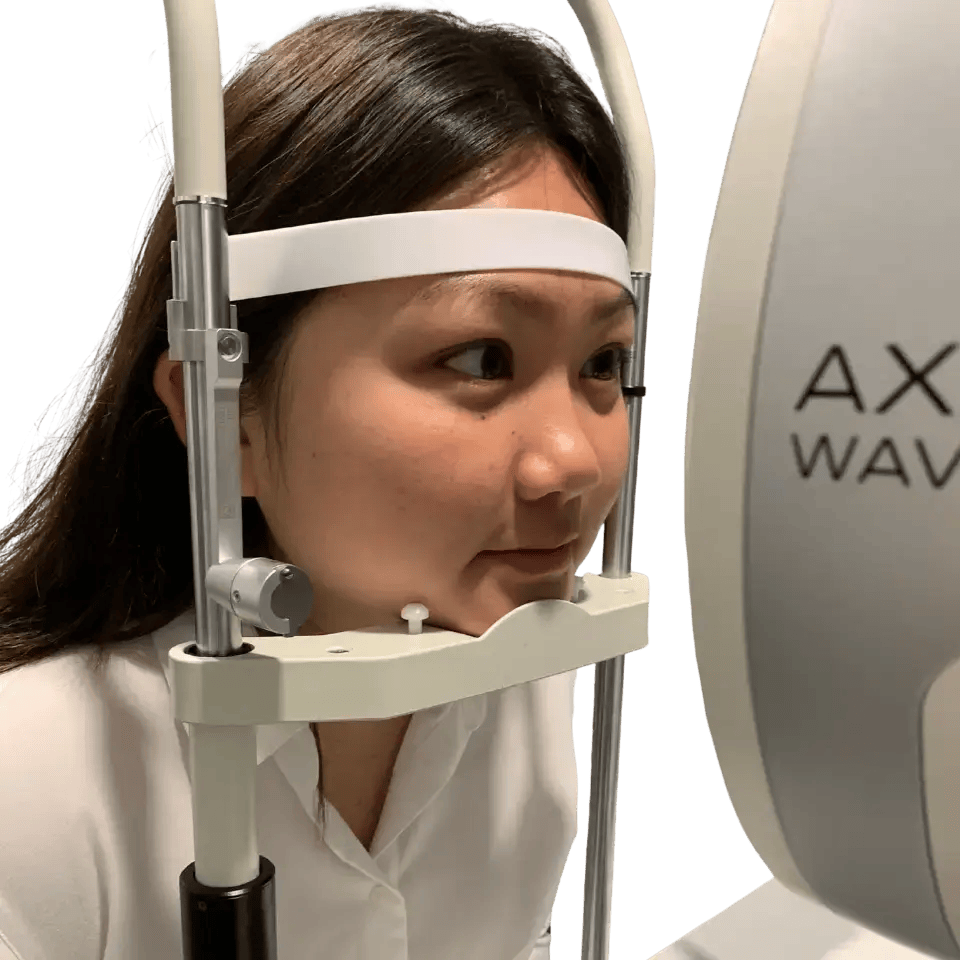
Modern imaging technology allows our team to see fine details in the retina that cannot be detected with the naked eye alone. These tools can identify changes before you notice any shift in your vision.
Certain vision changes require prompt attention, even if your next scheduled exam is months away. Reaching out quickly when these warning signs appear can make a significant difference in outcomes.
Research has consistently shown that good habits established shortly after a diabetes diagnosis carry benefits that can last for decades. This window of opportunity is worth taking seriously from the start.
The protective effect of early, steady blood sugar control can persist for many years, even if control later becomes more difficult to maintain. This pattern is known as the legacy effect or metabolic memory. Setting strong habits early gives your eyes a meaningful head start and also makes future treatment, if ever needed, more likely to be effective.
Long-term habits are more valuable than short bursts of intense effort. Choosing changes you can realistically sustain, rather than perfect plans that are difficult to keep, leads to steadier results. Many people find it easier to introduce one new habit at a time, and small wins build the confidence to take on larger ones. Pairing a new habit with something you already do each day, like checking your blood sugar after brushing your teeth, helps it become automatic.
Managing diabetes every day can feel overwhelming without the right support. Connecting with others and using available resources can make the daily effort more manageable.
Most people experience weeks when blood sugar runs higher than planned or scheduled appointments are missed. A setback does not erase your progress, and it is not a reason to give up. Restarting your routine the next day and reaching out for help when needed is what matters most. If the same obstacle keeps coming up, ask your care team to help you adjust the plan rather than continuing to struggle with one that is not working for your life.
These answers address common questions and decision points that arise when managing diabetes and protecting your vision over the long term.
Early-stage retinopathy can sometimes stabilize or partially improve when blood sugar, blood pressure, and cholesterol are brought under much better control. However, more advanced damage, such as bleeding inside the eye or significant macular swelling, generally cannot be fully reversed and requires medical treatment to prevent further loss. This is why catching changes at the earliest possible stage through regular exams is so valuable. Prevention and early detection together offer the best path to protecting your long-term vision.
Yes, and this is one of the most important points for anyone with diabetes to understand. Retinopathy can cause significant changes inside the eye for years before you notice any difference in how clearly you see. Waiting until vision problems appear often means the disease has already progressed to a stage that is harder to manage. A dilated exam is the only reliable way to see what is actually happening in the retina, regardless of how your vision feels day to day.
Moderate activity such as walking or swimming is generally safe and beneficial for most people with diabetes, including those with mild retinopathy. However, certain types of exercise, including heavy weight lifting, intense straining, or high-impact activity, can temporarily raise pressure inside the eye and may carry risk for people with more advanced disease. Before starting a new exercise program, especially if you have been diagnosed with any stage of retinopathy, it is worth checking with your eye doctor to understand which activities are appropriate for you.
Pregnancy can accelerate the progression of diabetic retinopathy, even in women whose blood sugar has been well managed before conception. The hormonal and circulatory changes of pregnancy place extra demands on the retinal blood vessels. For this reason, women with diabetes who are pregnant or planning to become pregnant should have a dilated eye exam early in pregnancy and follow whatever monitoring schedule their eye doctor recommends. Good glycemic control before and throughout pregnancy remains the most important protective step.
Some cholesterol-lowering medicines, particularly in the fibrate category, have been studied specifically for their effects on diabetic eye disease and have shown benefit in certain groups, even when cholesterol levels are not dramatically elevated. The decision to use these medicines depends on your full health picture, other medicines you are taking, and your risk factors. This is a conversation worth having with your care team, particularly if you have early signs of retinopathy. Never start, stop, or change a medicine without guidance from your doctor.
Coming prepared helps your eye doctor give you the most complete and personalized care. Bring a list of all your current medicines, including doses, so your doctor understands your full treatment plan. Your most recent A1C result and a recent blood pressure reading are also helpful, since these numbers directly inform how closely your eyes need to be monitored. Plan for the visit to take up to an hour, and arrange for someone to drive you home if possible, since the dilation drops will temporarily blur your near vision and make your eyes sensitive to light.


