
The type and duration of pain you feel after surgery depends largely on which procedure you had. LASIK and PRK both reshape the cornea using a laser, but they affect the corneal surface differently, which is why the recovery experiences are distinct from one another.
Most patients describe the first several hours after LASIK as feeling like there is a scratchy or gritty sensation in the eye, similar to having an eyelash caught under the lid. You may also notice mild burning, tearing, and light sensitivity during this time.
These symptoms typically ease significantly by the following day as the corneal surface begins to stabilize. Rest, lubricating drops, and keeping your eyes closed as much as possible in the early hours can help you get through this period comfortably.
PRK involves removing the entire outer layer of the cornea, called the epithelium, so the recovery period is longer and more uncomfortable than LASIK. You can expect moderate pain, stinging, and light sensitivity for approximately three to five days.
Discomfort often peaks around day two or three and then gradually improves as the epithelial cells regrow and close over the surface. We place a bandage contact lens on your eye after PRK to protect the healing tissue and meaningfully reduce the pain during this phase.
While mild discomfort is expected, certain symptoms are not normal and need same-day attention. If you experience any of the following, contact our office immediately, or seek urgent eye care if we cannot be reached.
Eye pain after laser vision correction can come from several sources, and most of them are a normal part of healing. Understanding why your eyes hurt can make the recovery feel less worrying and help you take the right steps to stay comfortable.
The laser used during surgery passes through tiny nerve fibers in your cornea. As these nerves heal and regrow over the following weeks and months, they can send unpredictable signals to the brain, causing spontaneous stinging, burning, or aching even when nothing appears wrong with the eye.
This process is a normal part of healing and does not mean your surgery was unsuccessful. The sensations typically fade gradually as the nerves finish reconnecting and the cornea adjusts to its new shape. If unusual pain persists for many months or seems out of proportion to what our doctors observe during your exam, further evaluation for neuropathic corneal pain may be discussed.
Laser vision correction temporarily disrupts the corneal nerves that help trigger tear production. Without adequate lubrication, the surface of the eye becomes irritated and uncomfortable, causing burning, grittiness, and a foreign body sensation.
Dry eye is one of the most common sources of ongoing discomfort after surgery and can persist for several months. Wind, air conditioning, screen time, and low humidity tend to make symptoms worse. We commonly recommend preservative-free artificial tears, gels, and ointments to keep your eyes comfortable while natural tear production recovers.
Because PRK removes the epithelium entirely, the raw nerve endings underneath are exposed until the surface regrows. This is why PRK pain is more significant and lasts longer than after LASIK.
If you are wearing a bandage contact lens after PRK, tiny particles can occasionally become trapped underneath it. Dust, dried tear proteins, or other debris can create a sharp, localized pain that feels like something is poking your eye.
Never try to remove or reposition the bandage lens on your own. Call our office so one of our doctors can examine your eye and safely remove any debris or replace the lens if needed.
Your body naturally responds to surgery with inflammation, which plays an important role in tissue repair. However, excessive inflammation can cause redness, light sensitivity, and throbbing pain. We prescribe anti-inflammatory steroid eye drops to keep this response controlled and your recovery on track.
Skipping doses or stopping your steroid drops too early can allow inflammation to flare. Always follow the dosing schedule we provide, and never discontinue any prescribed medication without checking with our team first.
Serious complications after laser vision correction are uncommon, but they do require prompt attention to protect your vision and comfort. If you develop severe or rapidly worsening pain, contact us immediately.
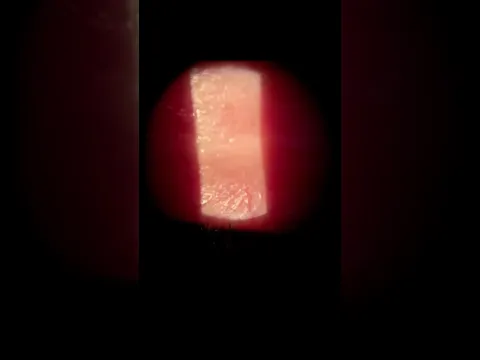
Your follow-up appointments are not optional extras. They are a critical part of making sure your healing stays on course. Our doctors use a combination of detailed questions, specialized instruments, and targeted testing to assess your recovery at every visit.
At each follow-up visit, your doctor will ask specific questions about your pain, including when it occurs, what makes it better or worse, and how it compares to your last visit. This information helps determine whether your discomfort falls within the expected range or points to something that needs treatment.
We also check your vision at every appointment. A drop in vision combined with new or worsening pain is a meaningful signal that warrants a closer look for inflammation, infection, or another concern.
The slit lamp is a specialized microscope that provides a magnified, three-dimensional view of your cornea and the surrounding structures. It allows us to see the epithelial surface, the position of the LASIK flap, and the deeper layers of corneal tissue in detail.
Because dry eye is such a frequent cause of ongoing discomfort after laser surgery, we use targeted tests to evaluate the health of your tear film. One common test measures how quickly your tears evaporate between blinks, which is called tear breakup time. A very short breakup time confirms that your surface is not staying lubricated effectively.
We may also use special dyes to highlight dry patches on the cornea or measure the volume of tears your eyes produce. These findings guide our treatment choices and help us tailor a plan that actually relieves your symptoms.

Most post-surgical discomfort can be managed well with a combination of prescription drops, supportive care at home, and close follow-up. For less common complications, additional interventions are available. Our doctors individualize every treatment plan based on what we find during your exams.
Your post-operative drop regimen typically includes anti-inflammatory steroid drops to control swelling and antibiotic drops to reduce infection risk during the early healing period. Following the exact schedule is essential, and stopping drops early, even when you feel better, can allow problems to develop.
Steroid drops can raise eye pressure in some patients. Let us know right away if you notice a worsening headache, new halos around lights, or increasing pain during your drop course, as these symptoms can indicate a pressure-related response that needs attention.
Preservative-free artificial tears are the foundation of managing dry eye and surface irritation after surgery. We typically recommend using them every one to two hours while you are awake during the first few weeks of recovery.
The bandage contact lens placed on your eye after PRK acts as a protective shield over the raw corneal surface while the epithelium regrows. It cushions the exposed nerve endings and significantly reduces the pain you would otherwise experience. Most patients wear the lens for approximately four to seven days.
Your doctor will remove the lens during a scheduled follow-up visit once healing is confirmed. Do not attempt to remove the lens yourself, even if it feels slightly uncomfortable or appears to have shifted, because doing so can expose sensitive tissue and significantly increase pain.
For breakthrough discomfort that eye drops and bandage lenses do not fully control, over-the-counter options such as acetaminophen or ibuprofen can be helpful. For more significant pain in the first few days after PRK, we may prescribe a short course of stronger oral medication.
Always take oral pain relievers with food to reduce stomach irritation, and let our team know if you have any medical conditions, allergies, or take other medications before starting anything new. You can generally reduce or stop oral pain medication as soon as you feel comfortable without it.
If your dry eye symptoms do not improve sufficiently with artificial tears and lubricating gels, we may recommend punctal plugs. These are tiny devices placed in the tear drainage openings in your eyelids that slow the drainage of tears and keep more moisture on the eye surface.
Plugs can be temporary or longer-lasting depending on the material used, and insertion is quick and well-tolerated in our office. Most patients notice meaningful relief within a few days. If you develop increased irritation or discharge after placement, let us know so we can evaluate the fit.
In rare cases where pain points to a complication, further procedures may be needed. These can include repositioning a displaced LASIK flap, removing inflammatory material from beneath the flap, or treating an infection with intensive antibiotic therapy.
For patients with severe dry eye that does not respond to standard approaches, advanced options such as autologous serum eye drops or specialty scleral lenses may be considered. Your doctor will walk you through every option and build a plan tailored specifically to your situation.
What you do between appointments matters just as much as the care you receive in our office. Following these at-home strategies can meaningfully reduce your discomfort and support faster, safer healing.
Consistency with your prescribed drops is one of the most important things you can do during recovery. Setting alarms or using a written chart to track each dose reduces the risk of missed applications, which can allow inflammation or infection to develop.
Light sensitivity and exposure to wind or dry air can worsen pain and slow healing. Wear the protective sunglasses we provide whenever you go outside, even on overcast days. Wraparound styles offer the best protection against wind, blowing dust, and peripheral light.
Indoors, dimming overhead lights or wearing lightly tinted glasses can help on days when brightness is bothersome. Avoid sitting directly in front of air conditioning vents or fans, as moving air accelerates tear evaporation and increases surface irritation.
Your eyes heal most effectively when they are closed and at rest. Aim for seven to eight hours of sleep each night during recovery, and apply lubricating gel or ointment right before bed if discomfort tends to wake you during the night.
We typically provide protective eye shields to wear while sleeping for the first week after surgery. These shields prevent you from accidentally rubbing or pressing on your eyes, which could displace a LASIK flap or disrupt the healing epithelium after PRK.
Staying well hydrated helps support healthy tear production and overall tissue repair. Drinking plenty of water throughout the day and limiting caffeine and alcohol, both of which can be dehydrating, is a simple way to support your recovery. Some patients find that foods naturally rich in omega-3 fatty acids, such as salmon or flaxseed, may support eye surface health during healing.
Limiting screen time reduces eye strain and the dryness that comes from reduced blinking while staring at a phone, tablet, or computer. Taking regular breaks and using artificial tears before your eyes feel dry, rather than after, helps keep your surface lubricated.
Certain activities carry a higher risk of infection or injury during the healing period. Following these precautions helps protect your cornea while it is most vulnerable.
Most LASIK patients feel close to normal within two to three days, though mild dryness can linger for several weeks. PRK patients generally experience significant discomfort for three to five days, followed by gradual improvement over the following weeks. Dry eye symptoms from either procedure may continue for a few months as nerve function and tear production fully stabilize.
Everyone heals at a different pace, and your experience may not perfectly match what a friend or family member went through. If your discomfort lasts longer than expected or begins getting worse after a period of improvement, reach out to our team promptly so we can investigate the cause.
These are some of the questions we hear most often from patients recovering from laser vision correction. If something is not covered here, our team is always happy to help.
Yes, this is very common and is not usually a sign that anything has gone wrong. Each eye heals at its own rate, and small differences in corneal thickness, tear production, or how the laser energy was applied can influence how each eye feels during recovery. As long as both eyes are showing overall improvement at your follow-up visits, uneven discomfort is generally not a cause for concern. If one eye is significantly worse and not improving, let your doctor know at your next appointment or sooner if the difference is dramatic.
Acetaminophen and ibuprofen are generally safe options for post-surgical pain and do not interfere with your eye drops. However, it is worth checking with our team first if you take other medications regularly or have any history of stomach, liver, or kidney problems. If you are already taking aspirin for cardiovascular reasons, confirm with your doctor whether to continue. Always follow the dosing instructions on the package and avoid exceeding the recommended amount.
Once the initial healing phase is complete, pain typically does not return at the same intensity. However, some patients experience periodic dry eye flare-ups for a few months, particularly in low-humidity environments or on days with high wind or extended screen use. These episodes are usually mild and respond well to lubricating drops. Any new, severe pain that develops after your initial recovery is complete should be evaluated promptly, as it can sometimes signal a delayed complication or a dry eye condition that needs more active management.
Pain level and final visual outcome are not reliably connected. Some patients feel very little discomfort and heal quickly, while others with more significant pain during recovery also go on to achieve excellent vision. What most influences your outcome is how well you follow the post-operative care plan and how consistently you attend your follow-up appointments so your doctor can catch and address any issues early. Discomfort is a signal about healing, not a measure of optical success.
A sudden increase in pain after a period of improvement is not something to wait out. Worsening pain, especially when combined with decreasing vision, new discharge, or a white spot on the cornea, can indicate an infection or other complication that requires same-day attention. Contact our office right away. If you cannot reach us after hours, go to an urgent eye care facility rather than waiting until our next available appointment. Early treatment of complications is critical to preserving your vision.
The answer depends on which drops you are using. Oral pain medications can generally be stopped as soon as you feel comfortable without them, typically within a few days for LASIK and up to a week for PRK. Prescription steroid and antibiotic drops must be continued exactly as directed, even if you feel completely fine, because they protect against inflammation and infection that may not yet produce obvious symptoms. Your doctor will give you a specific tapering schedule at your follow-up visits and will let you know when each medication is no longer needed.
Whether you are preparing for surgery or in the middle of your recovery, the team at Insight Vision Optometry, Las Vegas is here to provide the guidance and hands-on care you need at every stage. Our doctors bring deep experience in post-operative eye care and are equipped to manage both routine recovery and more complex concerns. We are committed to your comfort, your vision, and making sure your recovery goes as smoothly as possible, so do not hesitate to reach out whenever a question or concern comes up.


