
The inside of a commercial aircraft is one of the driest environments your eyes will ever encounter. Understanding how cabin conditions affect your vision helps you take the right steps before and during your flight.
Cabin air humidity typically runs between 10 and 20 percent, well below the 30 to 50 percent range most people find comfortable. This extremely dry air speeds up the evaporation of your tear film, which is the thin protective layer of moisture that coats the surface of your eye. The result is often irritation, grittiness, redness, and blurred vision that can last for hours after landing.
Using preservative-free artificial tears before you board and every one to two hours during your flight helps keep your eye surface stable and comfortable.
Contact lens wearers feel the effects of dry cabin air more intensely than glasses wearers because the lens itself loses moisture and can tighten against the eye surface. Removing your lenses before sleeping on a long flight is strongly recommended, as extended wear in these conditions raises the risk of corneal swelling and discomfort.
Pack your lens case, solution, and a pair of backup glasses in your carry-on so they are always within reach. Daily disposable lenses are a practical choice for travel because you can discard them after the flight without worrying about cleaning or storage.
UV radiation is stronger at higher altitudes and reflects off surfaces like snow, sand, and water, compounding the total exposure to your eyes. Over a lifetime, cumulative UV exposure contributes to conditions like cataracts and pterygia, a growth on the white of the eye.
Sunglasses that block 99 to 100 percent of UVA and UVB rays, with wraparound frames, offer the best protection during outdoor activities. If you wear a prescription, consider prescription sunglasses or photochromic lenses that darken automatically in bright light.
If you have had recent eye surgery or a procedure, air travel requires extra planning. Knowing what is safe and what is not can protect your vision and prevent serious complications.
Most patients who have had cataract surgery, LASIK, or glaucoma surgery can fly the following day, provided there are no complications and no intraocular gas bubble is present. Your surgeon must clear you for travel before you board any flight. If you have a trip planned, schedule surgery far enough in advance to allow for a proper recovery window.
If you are unsure whether you have been cleared, contact your eye care provider before booking flights. Knowing the timeline in advance helps you avoid last-minute disruptions.
Some retinal surgeries use a gas bubble inside the eye to hold the retina in place during healing. At altitude, cabin pressure causes this bubble to expand, which can create a dangerous spike in eye pressure and risk permanent vision loss.
You must wait until your retinal surgeon confirms the bubble has been completely absorbed before flying on any aircraft, including short flights. This waiting period can range from several weeks to a few months depending on the type of gas used. Do not fly until you receive explicit clearance from your surgeon.
Keeping the right supplies in your carry-on gives you options if something goes wrong during your trip. Checked luggage can be lost, delayed, or exposed to temperature extremes in the cargo hold, so essential eye care items should always travel with you in the cabin.
Having a copy of your prescription stored on your phone or in a travel document folder allows any optical shop, at home or abroad, to fill a replacement prescription if your glasses break or your contacts become unusable.

Different destinations bring different risks for your eyes, from intense sun at the beach to low humidity on mountain slopes to infection concerns in certain parts of the world. Knowing what to expect helps you prepare the right way.
Sand, salt water, and strong UV reflection at the beach can irritate and damage your eye surface. Wraparound sunglasses and a wide-brimmed hat significantly reduce your exposure during outdoor time near the water.
Remove contact lenses before swimming in any body of water, including oceans, pools, and freshwater lakes. Water of any kind can introduce microorganisms to the eye surface that cause serious infections. Prescription swim goggles are a practical and safe alternative for water activities.
Altitude increases UV radiation and lowers humidity at the same time, which creates a challenging environment for your eyes. Snow can reflect up to 80 percent of UV rays, making UV-protective ski goggles essential for winter travel. Wind at high elevations also strips moisture from the eye surface faster than at sea level.
Apply lubricating eye drops before heading outdoors and again when you return inside. If you wear contact lenses in cold and windy conditions, daily disposable lenses are the safest option because you can discard them after exposure.
In regions where the water supply may be unreliable, extra caution around your eyes is important. Tap water can carry microorganisms that cause serious eye infections, particularly for contact lens wearers. Use only bottled water or sterile saline when rinsing your face near your eyes, and never rinse or store contact lenses in any type of water.
Wash your hands thoroughly with soap or hand sanitizer before touching your eyes or handling your lenses. Carrying a small bottle of hand sanitizer for situations where clean water is not available is a simple and effective habit.
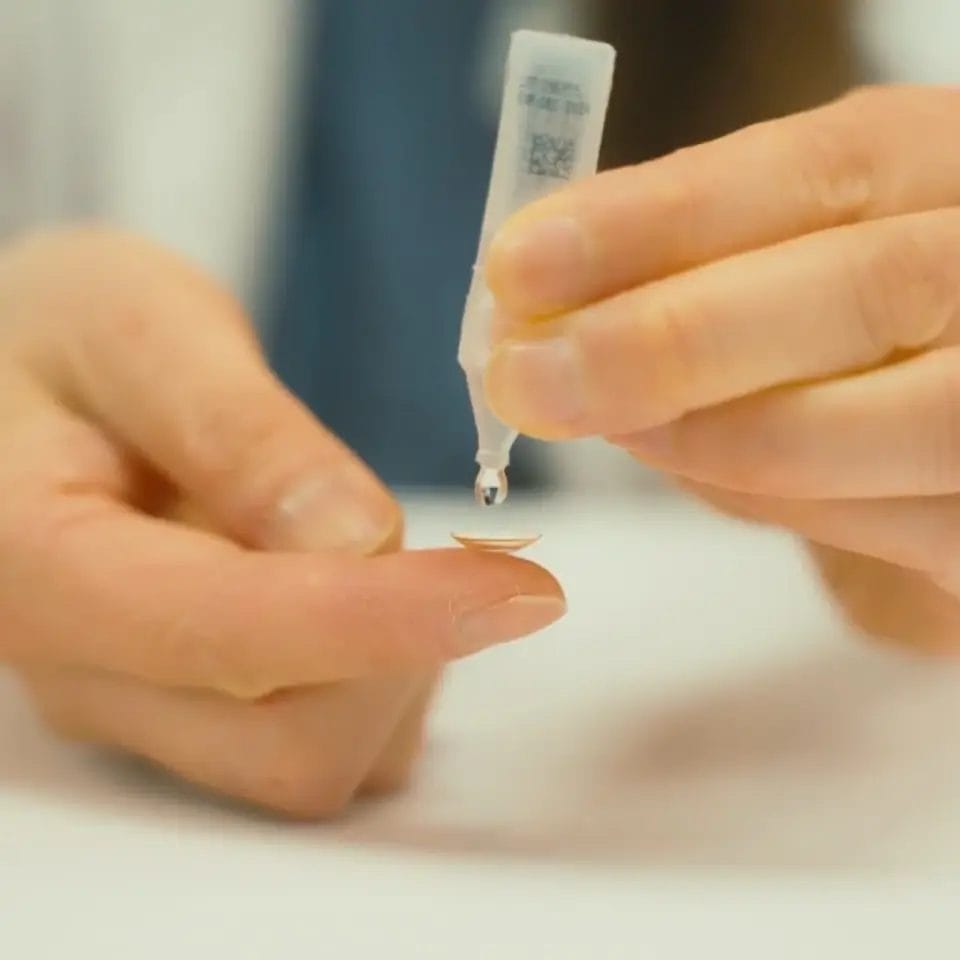
Ongoing eye conditions do not take a vacation, and keeping your care routine consistent while you travel protects your long-term eye health. A few simple strategies help you stay on track no matter where you are.
If you use prescription eye drops for glaucoma, dry eye, or another condition, pack enough for your full trip plus a few extra days to account for delays. Keep your drops in your carry-on bag where they stay within an acceptable temperature range, since cargo holds can get very cold or very hot.
Check the customs and import regulations for your destination before you travel, as some medications require documentation. Setting phone reminders for your drop schedule is especially helpful when crossing multiple time zones, since your usual routine may shift significantly.
Jet lag affects more than your energy levels. Disrupted sleep from crossing time zones can reduce tear production and slow the overnight recovery of your eye surface, which is why many travelers notice worse dry eye symptoms in the first few days after a long international flight.
Give your eyes extra support during this adjustment period by using lubricating drops more frequently than usual. Prioritizing sleep and limiting screen time during transit can also help your tear film return to normal more quickly.
If you experience a true eye emergency while traveling, such as sudden vision loss, severe eye pain, chemical exposure, or a foreign object embedded in the eye, seek care at a local hospital or eye clinic right away. Carrying your prescription, a brief summary of your eye health history, and your eye care provider's contact information helps a foreign provider assist you quickly and accurately.
For non-urgent concerns, many minor symptoms can be managed until you return home. A quick call or telehealth consultation with our team can help you decide whether your situation needs local attention or can safely wait.
Here are answers to some of the questions our patients ask most often before heading out on a trip.
For most people with healthy eyes and no recent surgery, normal cabin pressurization does not cause harm. The serious concern is limited to patients who have had retinal surgery involving an intraocular gas bubble, where pressure changes can cause the bubble to expand dangerously. If you have not had this type of procedure, cabin pressure changes are not a risk to your eyes.
Glasses are generally more comfortable for flights longer than a few hours because they allow your eye surface to breathe naturally in dry cabin air. If you prefer to wear contacts, use preservative-free lubricating drops regularly and switch to glasses before sleeping. Switching to glasses mid-flight is easy if you pack them in your personal item where they are easy to reach.
Eye drops sold internationally may contain different preservatives, active ingredients, or concentrations than what you use at home, and labeling in another language can make it difficult to verify contents. Preservative-free artificial tears are the safest choice if you need over-the-counter drops while abroad. For any prescription drops, bringing a sufficient supply from home is strongly preferred over substituting a foreign product.
Red-eye flights combine several factors that strain your eye surface: low cabin humidity, reduced blink rate during sleep, and the fatigue that comes from disrupted sleep. Your eyes rely on overnight rest to recover and replenish their tear film, and dry cabin air accelerates moisture loss during that same period. Using lubricating drops before you fall asleep on the plane and again immediately upon waking can noticeably reduce the discomfort you feel after landing.
Diving with contact lenses carries a real infection risk because water exposure introduces microorganisms to the eye surface. Pressure changes underwater can also cause air to become trapped under a soft lens, which creates discomfort and can affect vision. Prescription dive masks are a safer and more reliable alternative for people who need vision correction in the water. If you choose to dive with contacts, daily disposables are the least risky option since they can be discarded immediately after the dive.
A digital photo of your prescription stored in your phone or email can be sent to almost any optical shop to have replacement glasses made. Many international cities have optical retailers that can fill prescriptions quickly, sometimes within a few hours. If your prescription cannot be located at all, a local eye care provider can perform a brief refractive exam to determine your correction and issue a new prescription on the spot.
A comprehensive eye exam before extended travel is one of the best things you can do to protect your vision on the road. At Insight Vision Optometry, Las Vegas, our team provides thorough, personalized eye care that prepares you for whatever your itinerary holds. We welcome patients from across the region and are here to support your eye health year-round, whether you are home or just getting back from a trip. Schedule your visit with us before your next adventure.


