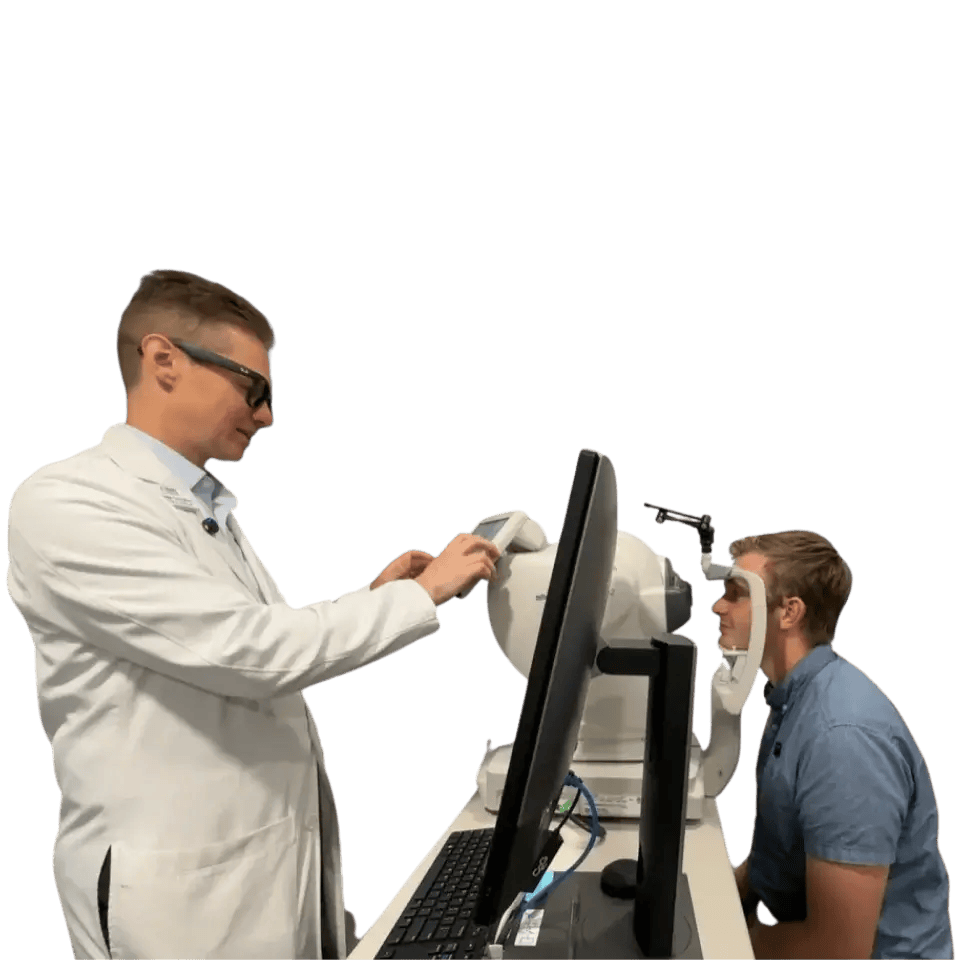
The connection between diabetes and vision loss is well established, but the reasons why Hispanic and Latino communities carry a heavier burden of diabetic eye disease are complex and layered. Genetics, environment, access to care, and the duration of disease all play a role.
Hispanic and Latino Americans develop type 2 diabetes at significantly higher rates than non-Hispanic White Americans. Contributing factors include a combination of genetic predisposition, dietary patterns, physical activity levels, and socioeconomic conditions. When diabetes is more common in a community, more people in that community are at risk for complications like diabetic retinopathy (damage to the blood vessels of the retina, the light-sensitive tissue at the back of the eye) and diabetic macular edema (swelling in the central part of the retina that affects sharp vision).
Diabetes also tends to develop at a younger age in Hispanic populations. That means more years of exposure to elevated blood sugar, and longer duration of diabetes is one of the strongest known risk factors for retinopathy. Without consistent blood sugar management, the retina can sustain cumulative damage over decades.
When diabetic eye disease is identified in Hispanic individuals, research has shown it tends to be at a more advanced stage compared to other groups. This pattern is driven by several factors, including less frequent eye exams, delayed diabetes diagnosis, and greater difficulty maintaining the blood sugar control that slows retinopathy progression.
Advanced diabetic retinopathy is harder to treat and more likely to cause permanent vision loss. When caught early, treatments such as injections into the eye, laser therapy, and improved metabolic control can often slow or stop the damage. But when the disease is allowed to progress undetected, treatment options narrow and some vision loss may have already occurred.
Steady blood sugar control is the single most important factor in preventing diabetic retinopathy from developing or getting worse. Barriers to achieving that control, including the cost of medications, limited access to healthy foods, demanding work schedules, and gaps in diabetes education, all contribute to higher average blood sugar levels in underserved communities.
Blood pressure and cholesterol also affect retinopathy progression. Managing all three metabolic factors together provides the strongest protection for the retina. Comprehensive care that treats the whole patient, rather than one condition at a time, leads to meaningfully better eye health outcomes over time.
Even when someone with diabetes knows that eye exams are important, getting that care is not always straightforward. Several practical, financial, and logistical barriers can stand in the way.
Many Hispanic and Latino families live in areas where eye doctors are scarce. Rural communities and lower-income urban neighborhoods may have few nearby providers, and traveling to a specialist for a dilated eye exam requires time off work, transportation, and sometimes childcare. For hourly workers, missing even a few hours of income is a real hardship.
Even when a provider is available, wait times for appointments can be long, and the referral process from a primary care doctor to an eye specialist can be confusing or slow. Because diabetic retinopathy causes no symptoms in its early stages, the urgency of a screening exam may not feel pressing, especially when other demands feel more immediate. This silent progression makes proactive screening the only reliable way to find problems before they cause lasting harm.
Language barriers affect the quality of care at every step. A patient who is more comfortable in Spanish may struggle to describe symptoms clearly, understand written care instructions, or fully grasp the importance of follow-up visits. Interpreter services help, but they are not universally available, and medical interpreters may not be familiar with the specific language of eye care.
Miscommunication can lead to missed appointments, incorrect medication use, or failure to understand what a diagnosis means. When patients cannot fully understand their treatment plan, follow-through suffers. Providing care and education in a patient's preferred language is not a convenience but a medical necessity that directly affects outcomes.
The cost of eye care is a significant barrier for many Hispanic and Latino families. People without insurance or with limited coverage may avoid exams because they cannot afford the visit, imaging, or recommended treatments. Even with insurance, copayments and deductibles can strain budgets that are already stretched by the ongoing costs of diabetes medications and supplies.
Fear of unexpected medical bills can prevent someone from seeking care even when they know it is needed. Community health centers, federally qualified health centers, and charitable organizations offer reduced-cost or free eye screenings in many areas, but awareness of these resources is not widespread. Connecting patients with available programs is an important part of closing the gap in diabetic eye care.
Culture shapes how people think about health, illness, and medical care. Understanding cultural values and beliefs is essential to providing eye care that feels respectful, relevant, and trustworthy.
In many Hispanic and Latino families, health decisions are made within the context of family. A person may consult with a spouse, parent, or other family member before agreeing to a test or treatment. This approach can be a strength when family members encourage one another to keep medical appointments and build healthy habits. It can also slow decision-making when family members have different levels of understanding about diabetes and its complications.
Health education that involves the whole family is often more effective than education directed at the patient alone. When family members understand that diabetic retinopathy develops silently and that early detection can prevent vision loss, they become a powerful source of support and motivation for keeping screening appointments.
Trust in medical care varies across communities. Some Hispanic and Latino patients have had experiences of being dismissed, misunderstood, or treated without cultural sensitivity by health care providers. These experiences can create reluctance to seek care, especially for a condition that causes no symptoms. Building trust requires providers who explain diagnoses and treatments clearly, listen respectfully, and acknowledge the real barriers their patients face.
Community health workers, known in many communities as promotoras de salud, have been effective in bridging this trust gap. Promotoras are trained community members who help connect neighbors with medical resources in a way that feels familiar and culturally grounded. Programs that use promotoras for diabetes and eye health outreach have shown success in increasing screening participation.
Some patients believe that vision loss from diabetes is unavoidable, which can reduce motivation to seek screening or treatment. Others may not be aware that diabetes affects the eyes at all, particularly if they have never received education about diabetic complications. Correcting these misconceptions through culturally relevant education is essential.
The message that diabetic eye disease is treatable and that early detection makes a real difference needs to reach people in settings where they feel comfortable, delivered by trusted voices, and in their own language. When patients understand that a screening exam is quick, painless, and can protect their vision for years to come, they are far more likely to act on it.

A range of programs and approaches have proven effective in reaching Hispanic and Latino communities with diabetic eye care. These efforts focus on removing barriers rather than asking patients to overcome them alone.
Retinal screening programs placed in primary care offices, community health centers, churches, and mobile health units have been effective in reaching patients who might not otherwise see an eye doctor. Portable retinal cameras take photos of the back of the eye during a routine visit, eliminating the need for a separate specialist appointment. The photos are reviewed by an eye doctor, and patients who need follow-up care are referred for treatment.
By meeting patients where they already go, these programs remove many of the access barriers that lead to lower screening rates. Programs that offer screening at no cost and provide results in Spanish have been especially successful at increasing participation.
Telehealth has expanded the reach of diabetic eye screening into underserved communities. A technician at a primary care site photographs the retina, and the image is transmitted electronically to an eye doctor at a remote location for review. The patient receives their results without traveling to a specialist, and those who need treatment are referred promptly.
This model works well in rural areas and community health centers that serve large Hispanic populations. It reduces the transportation burden, eliminates long wait times for specialist appointments, and allows screening to happen during a visit the patient is already making for diabetes management. Some programs also use artificial intelligence to flag images that show signs of disease for priority review by an eye doctor.
Education programs designed specifically for Hispanic and Latino audiences, delivered in Spanish by culturally aware educators, have been shown to improve diabetes self-management and increase screening rates. Effective programs go beyond simple translation. They address cultural values, common health beliefs, dietary traditions, and the practical challenges families face in managing a chronic disease.
When education takes place in familiar settings like churches and community centers, includes family members, and uses trusted community voices, people are more likely to act on what they learn. Partnerships between health systems and community organizations have proven effective in building and sustaining these kinds of programs over time.
Protecting your eyesight with diabetes comes down to consistent action in a few key areas. These steps are straightforward, and our team is here to support you every step of the way.
If you have diabetes, plan to have a dilated eye exam at least once a year, or more often if your eye doctor recommends it based on your situation. Dilation involves using eye drops to widen the pupils so the doctor can see the retina clearly. The exam is quick and painless, and it gives your doctor the information needed to detect retinopathy before it causes symptoms or vision changes.
Do not wait until your vision seems different to schedule an exam. By the time diabetic eye disease affects what you can see, it has usually already progressed significantly. If you have not had an eye exam in the past year, contact your primary care doctor or a local community health center to ask about diabetic eye screening options near you.
Keeping blood sugar at a stable level is the most effective way to slow or prevent diabetic retinopathy. Work closely with your doctors to set realistic goals, take your medications as prescribed, eat a balanced diet, and stay physically active. Even moderate improvements in blood sugar control can meaningfully reduce your risk of eye complications over time.
Ask your doctor about your A1C level, which reflects your average blood sugar over the past two to three months. Tracking this number helps you understand how well your current management plan is working. If blood sugar control feels difficult to maintain, ask for support. Your team can adjust medications, refer you to a diabetes educator, or connect you with community resources that make management more manageable.
Many organizations offer free or low-cost diabetic eye screenings, particularly in communities with large Hispanic and Latino populations. Federally qualified health centers provide care on a sliding fee scale based on income. Hospitals and nonprofit organizations often sponsor community screening events. Your primary care provider or local health department can help you identify programs nearby.
If language is a barrier, ask about Spanish-speaking providers or interpreter services when you schedule your appointment. Many health centers offer patient education materials in Spanish and have bilingual staff. A social worker, patient navigator, or community health worker can also help you find the right services and get appointments scheduled without having to navigate the system on your own.
These are some of the questions we hear most often from patients in our community who want to understand their risk and take action.
Several factors combine to make late-stage diagnosis more common. Fewer routine eye exams, longer gaps between diabetes diagnosis and eye screening, and greater difficulty maintaining consistent blood sugar control all allow the disease more time to progress undetected. Because diabetic retinopathy produces no pain or noticeable vision changes in early stages, it can silently worsen over years before a patient realizes something is wrong. This makes annual screening the only reliable way to intervene early, regardless of how well you feel.
Yes. Blood sugar levels that feel manageable day to day may still allow gradual damage to the small blood vessels in the retina over time. The A1C level your doctor measures gives a better picture of average control over months, and even moderately elevated averages can contribute to retinopathy. An annual dilated exam is recommended for all people with diabetes, regardless of how stable their numbers appear, because early retinal changes are only visible to a trained eye doctor using specialized equipment.
Absolutely. Family involvement in diabetes care is one of the most consistent predictors of better health outcomes. Family members can help by encouraging regular appointments, joining in preparing healthier meals, being physically active together, and learning about diabetic eye disease as a group. Understanding that retinopathy develops without symptoms makes it easier to support someone in keeping a screening appointment even when they feel completely fine. Attending medical visits together can also ensure that important information is not misunderstood or forgotten.
Research suggests that genetic factors may contribute to a greater susceptibility to blood vessel damage in some populations. However, experts generally agree that the higher rates of diabetic retinopathy in Hispanic communities are primarily driven by higher diabetes prevalence, later diagnosis, less frequent screening, and greater challenges with blood sugar control. These modifiable factors have the largest impact on outcomes, which means that consistent care, early screening, and good metabolic management can significantly reduce risk even for people with a genetic predisposition.
Start with federally qualified health centers and community health centers in your area, as many are required to offer interpreter services and often have bilingual staff on site. Local health departments maintain lists of community programs and screening events, some of which are held in churches, community centers, and mobile health units for added convenience. Nonprofit organizations focused on diabetes or vision health also sponsor outreach events aimed specifically at Spanish-speaking communities. When you call to schedule any appointment, ask directly whether staff speak Spanish and whether education materials are available in Spanish before your visit.
These programs use a portable camera to photograph the retina at a primary care office or community clinic, then transmit the image electronically to an eye doctor who reviews it remotely. The patient receives results without needing to travel to a specialist, and anyone whose images show signs of disease is referred for follow-up care. The technology used in these programs has been validated and is considered a reliable method for detecting diabetic retinopathy. Some programs also use artificial intelligence to assist with initial image analysis, which helps prioritize urgent cases for faster review. For patients without easy access to an eye specialist, telehealth screening provides a meaningful safety net.
At Insight Vision Optometry, Las Vegas, our doctors are experienced in caring for patients with diabetes and are committed to providing clear, compassionate guidance every step of the way. We offer comprehensive diabetic eye exams and take the time to make sure you fully understand your results and your options. If you or someone in your family has diabetes, we encourage you to reach out and schedule an appointment so we can help you protect your vision for years to come.


