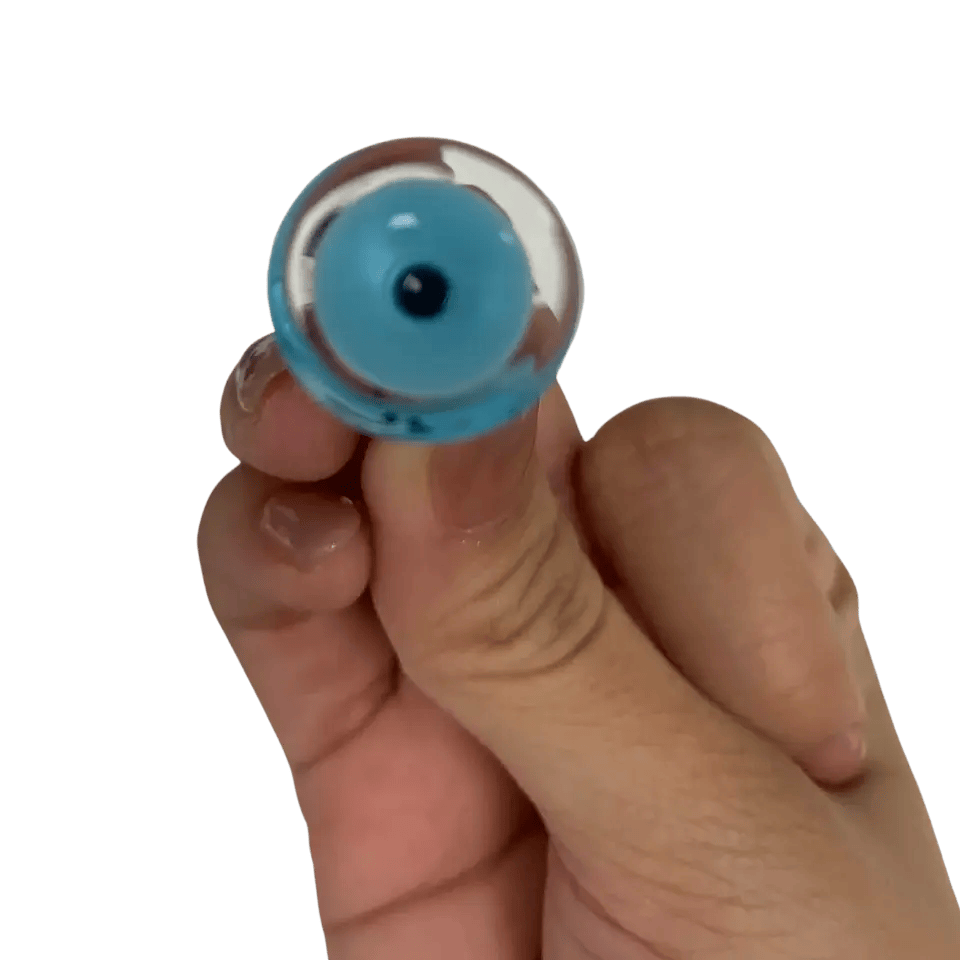
Keratitis is an infection or inflammation of the cornea, the clear front surface of your eye. Contact lens wearers are among those most at risk for developing this condition in adulthood. When germs get beneath or around a lens, they can cause a painful open sore on the cornea called a corneal ulcer.
The cornea acts as a protective window over the colored part of your eye. It relies on a constant flow of tears to wash away bacteria, debris, and other harmful material. When a contact lens sits on the eye, it can interrupt that natural cleaning process and give germs a surface to attach to and grow on.
Contact lens-related keratitis is more common than many people realize. Estimates suggest that among daily soft lens wearers, roughly 2 to 4 in every 10,000 develop a significant corneal infection each year. That rate rises sharply for people who sleep in their lenses. Contact lens wearers as a group are significantly more likely to develop a corneal infection than people who do not wear lenses at all.
Several types of germs can infect the cornea, and identifying the right one matters for treatment.
Each type of germ requires a different treatment, which is why getting a proper exam quickly is so important.
Most contact lens infections are directly connected to everyday habits. Understanding which behaviors increase your risk is the first step toward protecting your eyes. Small changes to your routine can meaningfully reduce your chances of developing keratitis.
Sleeping in contact lenses is one of the most significant risk factors for corneal infection. During sleep, your eyes produce fewer tears, which means there is less natural flushing of bacteria from the eye surface. This creates an environment where germs can multiply. Even lens types approved for overnight wear carry a higher infection risk compared to removing lenses each evening. Unless your eye care provider has specifically prescribed extended-wear lenses and discussed the risks with you, lenses should be removed before sleep every night.
Hands are a primary source of the bacteria that cause lens-related infections. Always wash your hands thoroughly with soap and water before handling your lenses, and dry them with a clean, lint-free towel. Your lens case is just as important to maintain. Rinse it with fresh contact lens solution after each use, never tap water, and let it air dry face-down on a clean surface. Replace your case at minimum every three months, since older cases can harbor biofilms that are harder to clean away.
Topping off means adding new solution on top of old solution that is already in the case. This practice dilutes the germ-killing strength of the fresh solution and allows bacteria in the old solution to survive. Always pour out any remaining solution before refilling your case with a full amount of fresh product. Never substitute tap water, saliva, or homemade saline for proper contact lens solution, as each of these can introduce dangerous organisms to the lens surface.
Tap water is a known source of Acanthamoeba, the organism responsible for one of the most difficult-to-treat corneal infections. Lenses should never be rinsed, stored, or wet with tap water for any reason. Remove your lenses before showering, swimming, or using a hot tub. If a lens comes into contact with water during any of these activities, the safest step is to remove and discard it immediately rather than attempting to clean and reuse it.

Contact lens keratitis can progress from mild discomfort to a vision-threatening infection within hours. Recognizing the early warning signs and acting quickly gives you the best chance of a full recovery. Never try to manage these symptoms at home with artificial tears or over-the-counter drops.
A healthy eye should not hurt when a contact lens is in place. Persistent or worsening pain, whether sharp or aching, is a signal to remove your lens immediately. If the pain does not resolve within a few hours after lens removal, contact our office the same day. Pain that seems much more severe than the visible redness or irritation would suggest is a classic feature of Acanthamoeba infection, and it should never be dismissed.
Redness that does not clear after you remove your lens is a warning sign that warrants same-day evaluation. Sensitivity to light, also called photophobia, is another important signal. You may find it uncomfortable or painful to be in a bright room or outdoors. These symptoms, especially together, suggest the eye may be actively infected and needs professional attention right away.
Blurry vision that does not improve with a fresh lens or your glasses should be taken seriously. Thick or unusual discharge coming from the eye is another concerning sign. If you or someone else can see a white or cloudy spot on the surface of your cornea, that is a serious finding that requires immediate care. Each of these symptoms can indicate an active infection that may be spreading, and waiting even a few hours can worsen the outcome.
If you notice any of the symptoms described above, do not wait to see if things improve on their own. Remove your lens immediately and contact our office for a same-day appointment. If our office is not available, an emergency eye care facility or a hospital emergency room with eye care coverage is the appropriate next step. Fast treatment can often preserve your vision. Delays can result in scarring, lasting blurred vision, or in serious cases the need for a corneal transplant.
Effective treatment depends on identifying the specific germ causing the infection and starting the right medication as soon as possible. Our doctors will tailor your treatment plan based on the appearance of the infection and, when necessary, laboratory results. Following your treatment schedule closely is essential to a good recovery.
Our doctor will examine your cornea using a slit lamp, a high-powered microscope used to evaluate the front of the eye in detail. A safe dye drop called fluorescein is used to highlight any open sores on the corneal surface. For ulcers that are large, centrally located, or particularly deep, a small surface sample may be collected for laboratory testing. This culture helps identify the exact organism involved so that the most effective treatment can be selected.
Bacterial keratitis is most often treated with prescription antibiotic eye drops. In the early stages of a significant infection, drops may need to be applied as often as every 30 to 60 minutes, including through the night, to reach effective levels in the cornea. A class of antibiotics called fluoroquinolones is frequently used as a first-line treatment. For more advanced infections, two separate drops that work in different ways may be used together. As the cornea shows signs of healing, the dosing schedule is gradually reduced under our team's supervision.
Fungal keratitis requires specialized antifungal eye drops. Acanthamoeba infections require a different class of medication containing antiseptic agents that target the organism. Both of these infection types are considerably harder to treat than bacterial cases and may require weeks to months of consistent medication use. If you have worn lenses near water, in a pool, or in a hot tub, please let our team know so we can consider Acanthamoeba as a possible cause from the very beginning of your evaluation.
During the first week of treatment, our team will want to see you frequently to monitor the ulcer and adjust your medication as needed. In some cases, a soft bandage contact lens is placed on the eye after the infection has cleared to support the healing process. While you are recovering, you should not wear your previous lenses at all. Discard the lens case and any open bottles of solution. Once your eye has fully healed, our team will guide you toward the right lens type and walk you through updated hygiene practices to help prevent a recurrence.
These answers address questions we often hear from patients about lens safety, infection risk, and when to seek care.
Daily disposable lenses do carry a lower infection risk compared to lenses meant to be cleaned and reused, primarily because you start each day with a sterile lens and there is no case to maintain or solution to store. However, they are not risk-free. The habits that protect your eyes, such as washing hands before handling lenses and keeping water away from your eyes, still matter with daily disposables. If you are prone to infections or have irregular wear patterns, ask our team whether daily lenses might be a better fit for your lifestyle.
If you run out of solution and cannot find a replacement, the safest option is to discard the lens rather than rinse it in tap water or another substitute. Wearing a lens you have rinsed in tap water puts you at real risk for Acanthamoeba infection, which is serious and difficult to treat. Keeping a travel-size bottle of solution in your bag is a simple way to avoid this situation. If you wear daily disposables, bringing a few extra pairs as backup is a reliable safeguard.
Mild dryness or end-of-day discomfort that improves after removing your lens is usually not a sign of infection. A true infection tends to involve pain that does not go away after lens removal, increasing redness, light sensitivity, or changes to your vision. If you are unsure, it is always better to have the eye examined than to wait. Our team can quickly determine whether what you are experiencing is irritation or something that requires treatment.
Many younger patients wear lenses without problems, but consistent hygiene habits are essential. Daily disposable lenses are often a practical choice for this age group because they eliminate the need for cleaning routines. Parents should watch for signs of shortcuts such as skipping hand washing, wearing lenses longer than recommended, or sleeping in them. Any complaint of pain or redness in a young lens wearer deserves a prompt eye exam.
No. Once an infection has been diagnosed, all lenses, cases, and open solutions from before the infection should be discarded. Continuing to wear old lenses or using the same case can reintroduce the same organism that caused the infection. After your eye has fully healed and our team has confirmed it is safe to return to lens wear, you will be fitted with new lenses and given updated guidance on preventing a future infection.
Eye makeup can contribute to lens contamination if it is old, applied carelessly, or removed while lenses are still in. Mascara and eyeliner should be replaced every two to three months since older products can harbor bacteria. Always insert your lenses before applying makeup, not after, and remove your lenses before taking off eye makeup at the end of the day. These small adjustments reduce the chance of transferring cosmetic residue or bacteria onto the lens surface.
Safe, comfortable contact lens wear starts with the right fit, the right habits, and a team you can trust when something feels wrong. At Insight Vision Optometry, Las Vegas, our doctors bring specialized expertise to every contact lens evaluation, from routine fittings to complex infections and everything in between. If you are experiencing any pain, redness, or change in vision, please reach out to us right away. We are here to protect your sight and help you feel confident every time you put in your lenses.


