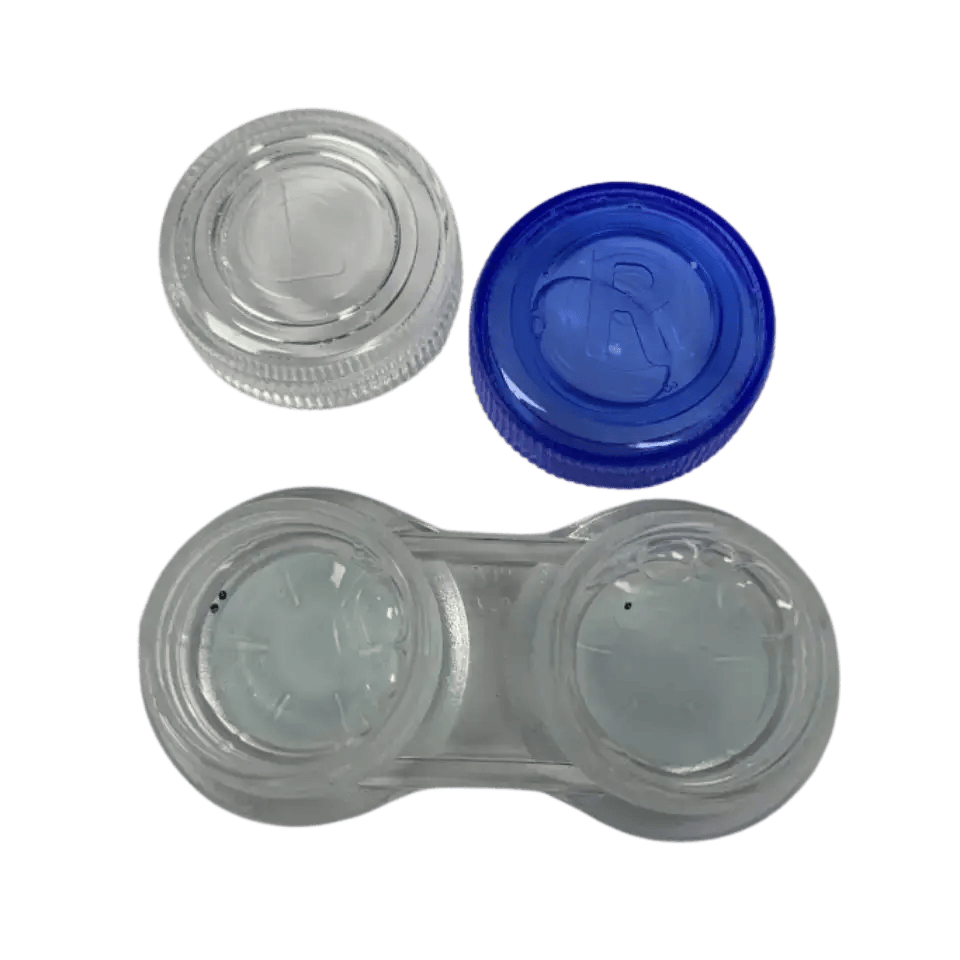
Contact lens intolerance describes a pattern in which a wearer can no longer use lenses comfortably for their normal schedule. It is not a single disease but a shared result of several possible causes, and identifying the right one is the key to real relief.
CLI is recognized when dryness, discomfort, redness, or blurred vision becomes a consistent part of wearing lenses. A history of comfortable, full-day wear followed by a gradual decline is the core picture. Burning, stinging, and redness during lens wear are not normal, and they are not something to push through without evaluation.
Most wearers notice the pattern weeks before they put a name to it. Symptoms tend to build slowly and then reach a point where lens wear becomes difficult to sustain.
CLI is not one problem with one fix. Treating it without finding the cause often leads to short-lived improvement followed by the same symptoms returning. A proper evaluation identifies the specific driver and guides a targeted treatment plan, which is why a clinical visit is always the right first step.
Several distinct conditions can lead to contact lens intolerance, and more than one can be present at the same time. Understanding the cause shapes every decision that follows, from which lens to try next to which treatments to add.
Giant papillary conjunctivitis, or GPC, is one of the most common causes of CLI. It occurs when bumps form under the upper eyelid as the immune system reacts to lens deposits or friction. Signs include itching, mucus, excess lens movement, and a steady decline in how long lenses can be worn. GPC develops over weeks or months, and protein buildup on older lenses tends to accelerate it.
A contact lens sits directly on the tear film and disrupts its normal function. Tears evaporate faster with a lens in place, and the meibomian glands along the lid margin can gradually become less productive. The result is a dry, uncomfortable eye that worsens as the day goes on. Dry eye is one of the most frequent reasons wearers lose tolerance for their lenses over time.
Some wearers develop sensitivity to a preservative in their contact lens care solution, while others react to solution residue that builds up on the lens surface. The result is redness, stinging, or a fine pattern of surface irritation on the cornea. Switching to a peroxide-based care system, which contains no preservatives, resolves this cause for a meaningful number of patients.
Corneal hypoxia means the cornea is not receiving enough oxygen through the lens. Older hydrogel lens materials transmit less oxygen and can cause the cornea to show signs of stress over years of wear, including small blood vessel growth near the edge of the cornea. Silicone-hydrogel lenses transmit significantly more oxygen and often restore comfort for wearers whose intolerance stems from this cause.
A lens that is too tight compresses the cornea and restricts the flow of tears beneath it. A lens that is too loose rides with every blink and fails to center properly. Either extreme can cause or worsen CLI. An updated fitting with current measurements often resolves comfort problems quickly, sometimes within one to two weeks of the refit.
A thorough evaluation looks at your lens, your habits, your tear film, and your eye surface together. The goal is to find the cause, not just name the symptom. Our doctors use a structured process that leaves very few cases without an answer.
The evaluation begins with a detailed history. We ask about wear time, lens brand, care solution, replacement schedule, and when during the day symptoms appear. Seasonal patterns point toward allergy. A recent change in lens or solution often points there. A long stable history with a slow decline in comfort points more toward dryness or corneal hypoxia. Most of the time, the history tells us a great deal before the exam even begins.
The slit-lamp is a specialized microscope that allows us to examine the cornea, tear film, and the inside of the upper eyelid in fine detail. A drop of fluorescein dye highlights any dry or damaged areas on the cornea under blue light. The same exam reveals giant papillae under the lid, which confirm GPC. We also measure tear break-up time, which gives us a direct gauge of tear film stability.
Watching the lens move with each blink tells us a great deal about fit. We look at how far the lens travels, how quickly it re-centers, and whether there is any impression left on the surface of the eye. Excess movement, tight limbal zones, or consistent decentration all point to fit-related causes that a refit can address.
Occasionally, the first visit does not reveal a single obvious cause. In those cases, we may recommend a planned break from lenses, treat any surface inflammation, and retest in two weeks. Resting the eye surface often uncovers causes that were hidden beneath the top layer of symptoms. Taking that time leads to a better answer than rushing to a lens or solution change without a clear direction.

Most people with CLI do return to comfortable lens wear. The right treatment depends on the cause, and sometimes more than one step is needed at once. Our doctors tailor the plan to your specific situation rather than applying a one-size approach.
Removing the mechanical irritant is often the essential first step. A planned break from lens wear lets the eye surface settle and reduces inflammation before any new lens is introduced. The length of the break depends on the cause but typically runs one to four weeks. Wearing glasses during that time protects your vision while the eye heals. Returning to lenses too soon often brings symptoms right back.
Once symptoms have settled, a change in lens modality or material is often the most effective step. Daily disposable lenses eliminate care solutions entirely and start each day with a fresh, clean lens. Silicone-hydrogel materials deliver significantly more oxygen to the cornea than older hydrogels. Some wearers benefit from both changes at once. Dr. Stephanie Woo, Dr. Thanh Mai, and Dr. Nathan Schramm each have deep expertise in matching the right lens design to the specific cause behind a patient's intolerance. Dr. Woo is a specialist in specialty contact lenses and keratoconus and offers specialty services such as scleral lenses, EyePrintPRO prosthetic lenses, and dry eye care. Dr. Mai is a specialist in myopia management and scleral lenses and offers specialty services such as Ortho-K, custom scleral lenses for keratoconus, and dry eye care. Dr. Schramm is a specialist in scleral lenses and irregular corneas and offers specialty services such as custom scleral lens fittings for keratoconus and post-LASIK ectasia.
For wearers who use reusable lenses, the care system is worth a close look. A peroxide-based system removes the preservatives that irritate some eyes. Replacing the lens case every three months reduces biofilm buildup, which can affect both lens comfort and eye health. A daily rub-and-rinse step cleans lenses more effectively than no-rub soaking alone. These adjustments resolve a meaningful share of CLI cases without any lens change at all.
When dry eye is contributing to CLI, it needs its own dedicated treatment plan. Warm compresses and lid hygiene support healthier meibomian gland function. Preservative-free artificial tears provide surface lubrication throughout the day. Prescription anti-inflammatory drops help some patients whose dry eye has an inflammatory component. Addressing dry eye directly often restores lens comfort even when the lens itself stays the same.
Uncontrolled allergy is a significant driver of CLI for many wearers. Antihistamine eye drops reduce itching at the source and lower the immune response that drives GPC. Controlling nasal allergy symptoms also reduces eye rubbing, which protects the ocular surface. Coordinating care with a primary care provider or allergist is sometimes the most important step in an allergy-driven case.
Some symptoms that accompany CLI require prompt attention rather than a scheduled visit. Knowing the difference between manageable discomfort and warning signs protects your eyes from serious complications.
Remove your lenses immediately and contact our office the same day or the next morning if you experience any of the following.
These signs may indicate a corneal infection or other condition that worsens quickly without treatment. Do not re-insert lenses until you have been evaluated.
A simple daily log accelerates diagnosis significantly. Record your wear time, lens brand, solution used, outdoor exposure, allergy medications taken, and a comfort score from one to ten each day. Two weeks of entries reveal patterns that are nearly impossible to reconstruct from memory at a follow-up visit. Bringing the log, along with your current lens boxes and solution bottles, gives our team the most complete picture possible.
People who sleep in lenses, stretch their replacement schedules beyond the recommended interval, or swim or shower while wearing contacts face a higher risk of infections and complications alongside their CLI. If any of these habits apply to you, a frank conversation with one of our doctors about your full routine is a worthwhile starting point, separate from any specific symptom you may be experiencing.
A structured return-to-lens plan is part of CLI care, not an afterthought. We often start wearers back at a shorter daily wear window, such as six to eight hours, and extend gradually. For allergy-driven cases, the plan may route around the peak of allergy season. Having a written plan helps you avoid drifting back into the habits that originally led to CLI.
These questions address the decisions and concerns that come up most often after a CLI diagnosis. If something specific to your situation is not covered here, our team is glad to walk you through it at your visit.
The great majority of people with CLI do return to successful lens wear after treatment. A new modality, a different material, a changed care routine, or treated underlying dry eye resolves most cases. A smaller group does best with part-time wear rather than full days. An even smaller number find glasses to be the more comfortable long-term choice. That decision is made after testing and evaluation, not assumed from the start.
Preservative-free artificial tears can provide temporary relief for mild surface dryness, but they do not address GPC, solution sensitivity, or corneal hypoxia. Using drops to manage CLI without an evaluation delays finding the real cause and can allow conditions like GPC to progress. Think of drops as a supportive measure to use alongside a proper treatment plan, not a replacement for one.
Scleral lenses vault entirely over the cornea and hold a fluid reservoir beneath them, which keeps the ocular surface continuously hydrated throughout the day. Many patients with severe dry eye, corneal irregularity, or complex CLI find sclerals comfortable when soft lenses have become intolerable. Fitting scleral lenses requires a longer and more specialized process than a standard soft lens fit. Dr. Woo, Dr. Schramm, and Dr. Mai are among the most experienced scleral lens practitioners in the country and manage many patients who were told by other providers that lens wear was no longer possible for them.
Most patients notice meaningful improvement within one to two weeks of switching to a new lens or care system. Full adaptation to a silicone-hydrogel material can take up to a month as the eye adjusts to different oxygen levels and surface characteristics. If symptoms persist beyond a month without improvement, a follow-up visit is warranted. A return of symptoms after a period of relief often points to a second contributing cause that was not addressed in the initial plan.
Yes, depending on the underlying cause. Antihistamine drops calm allergic and GPC-related CLI. Prescription anti-inflammatory drops help when dry eye has an inflammatory component. Short courses of steroid drops are sometimes used for more severe surface inflammation. Each of these requires the right diagnosis behind it, which is why reaching for a prescription drop without an evaluation is unlikely to produce lasting results and can occasionally mask a worsening problem.
Screen use dramatically reduces blink rate, which dries both the tear film and the lens surface faster than usual. Wearers who spend most of their workday on a screen often find that CLI symptoms are noticeably worse on workdays than on weekends. A deliberate 20-20-20 rest pattern (looking 20 feet away for 20 seconds every 20 minutes), lubricating drops, and positioning your monitor slightly below eye level to reduce lid aperture can all help. These strategies complement your lens care plan but do not replace treatment of the underlying cause.
If your lenses have become uncomfortable, you do not have to settle for shorter wear days or give up contacts altogether. Our doctors at Insight Vision Optometry bring nationally recognized expertise in specialty contact lenses, dry eye, and complex lens fitting to every evaluation we perform. We serve patients from across Las Vegas and beyond, and we are ready to help you find a real, lasting solution. Schedule your contact lens intolerance evaluation with our team today.


