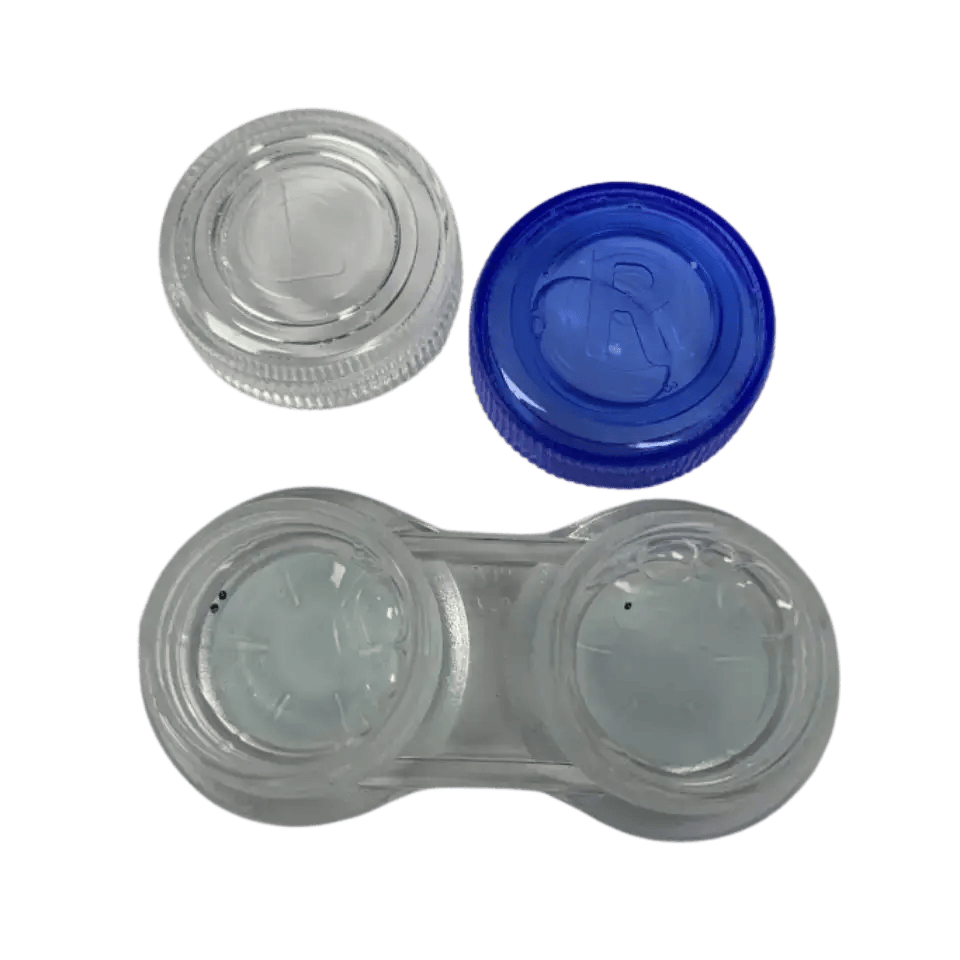
Acanthamoeba keratitis is an infection of the cornea, which is the clear dome at the front of the eye, caused by a microscopic organism called Acanthamoeba. This organism is a free-living ameba found in water and soil throughout the environment. Most cases occur in people who wear contact lenses, and the infection is known for being both difficult to treat and capable of causing lasting vision damage.
While this infection is uncommon, it is not trivial. Acanthamoeba keratitis is different from a typical bacterial eye infection or a short-lived irritation. Once it takes hold in the cornea, it can cause permanent vision loss without prompt and aggressive treatment. This is why prevention matters far more than any cure.
Acanthamoeba is found in many water sources and some soil environments that we encounter every day. The organism is generally harmless in the environment but becomes dangerous when it has direct, prolonged contact with the eye through a contact lens.
The key risk is that a contact lens can trap this organism against the surface of the cornea, holding it in place long enough for an infection to begin.
A contact lens acts like a small shelter between the ameba and the surface of the eye. When water carries the organism beneath the lens, it can attach to the lens and then to the cornea while the lens holds it there. Reusable lens wearers face a higher risk than daily disposable lens wearers, because cleaning routines and solution handling introduce additional opportunities for water contact. Research suggests that a meaningful share of cases could be prevented simply by switching to daily disposable lenses, which eliminate the need for a case and cleaning solution altogether.
Early symptoms of acanthamoeba keratitis can look and feel like many other common eye problems, which is one reason diagnosis is sometimes delayed. Knowing what to watch for, especially after any water exposure with lenses in, can help you get care before the infection progresses.
The most common early symptoms include eye pain, redness, tearing, sensitivity to light, blurred vision, and a persistent sensation of something in the eye. One of the most telling features is pain that feels much worse than what the eye looks like from the outside. A mildly red eye with severe pain is a red flag that deserves urgent attention.
Not every case starts with dramatic pain. Some patients notice only mild discomfort at first, which can lead them to wait before calling a doctor. Light sensitivity that makes it hard to be in a bright room, blurred vision that does not clear after removing a lens, or persistent grittiness lasting more than a day or two are all reasons to be seen urgently rather than waiting to see if the feeling resolves on its own.
Our doctors will often suspect this infection based on the history of water exposure combined with what they find during the exam. Confirming the diagnosis may involve taking a small sample from the corneal surface, called a corneal scraping, which is sent for culture and special staining. Some practices also use a high-magnification imaging device called in-vivo confocal microscopy to visualize the organism directly in the cornea. The first days after symptoms begin are the most important window for starting treatment, and early diagnosis is directly tied to better outcomes.
In the earliest stages, our doctors may see small, scattered spots on the corneal surface. As the infection advances, a ring-shaped pattern can develop deeper in the cornea, which is a recognized finding that raises strong suspicion for this diagnosis. Because these patterns require a trained eye to interpret, any contact lens wearer with unexplained pain and a history of water exposure should be seen the same day rather than waiting for a routine appointment.

Treating acanthamoeba keratitis requires specific medications, a demanding dosing schedule, and months of consistent follow-up care. The earlier treatment begins, the better the chances of preserving good vision and avoiding surgery.
Treatment is built around antiseptic eye drops that target Acanthamoeba directly. The most commonly used medications are from a class called topical biguanides, such as polyhexamethylene biguanide or chlorhexidine. These are often combined with a second class of medications called diamidines to improve effectiveness. Dosing begins very frequently, sometimes as often as every hour, and then tapers gradually over time. Following the prescribed schedule exactly is essential for giving the cornea its best chance to heal.
This infection requires a long course of treatment, often lasting six to twelve months or longer. Patients sometimes feel significant improvement early on but still need to continue drops for many additional months to complete the full course. Stopping early because symptoms have improved can allow the infection to return, sometimes in a more resistant form. Regular visits are used throughout treatment to adjust the drop schedule and monitor the cornea.
In more severe cases, drops alone are not enough to control the infection or restore clear vision. Some patients require corneal transplant surgery, in which the damaged corneal tissue is replaced with donor tissue. Data suggest that at least one in five cases eventually requires a corneal transplant, either to control infection not responding to medication or to address deep scarring left after treatment. A transplant comes with its own recovery timeline and ongoing care needs, which is another reason prevention is so central to this topic.
Even with appropriate treatment, permanent vision loss occurs in a meaningful portion of cases. Some patients recover full or near-full vision, others are left with moderate loss, and a smaller group experiences severe loss. The patients who do best are those who receive an accurate diagnosis early and begin treatment promptly. Waiting through symptoms significantly reduces the chances of a good outcome.
Nearly all cases of acanthamoeba keratitis are preventable. The habits that protect against this infection are simple, but they need to become automatic parts of lens care rather than occasional considerations.
The single most effective prevention step is keeping water away from lenses at all times. This applies to every source of water, including ones that might seem safe. Shower spray, sink splashes, rainwater, and even a wet face after washing can introduce the ameba to a lens surface.
Building the habit of removing lenses before any water activity eliminates most of the risk associated with this infection.
Proper solution use is just as important as keeping water away from lenses. Always use the solution your doctor recommends for your specific lens type. Do not top off old solution in the case by adding fresh solution on top. Instead, empty the case completely, rinse it with fresh solution, and refill with new solution each time. Let the open case air dry face down on a clean tissue between uses, and replace the case itself every three months.
A fresh lens each day removes many of the risk factors that contribute to this infection. There is no case to clean, no solution to manage, and no lens that has been worn for weeks accumulating deposits. For patients who have had difficulty maintaining safe habits with reusable lenses, or those who swim or travel frequently, daily disposables offer a meaningful reduction in risk. Our doctors are happy to discuss whether a switch makes sense for your lifestyle and prescription.
A few widely held beliefs about lens safety are not accurate and deserve clear correction. A shower filter does not make shower water safe for lens wear. Swim goggles, even when they feel secure, do not guarantee a watertight seal, and a single small leak can introduce the ameba to a lens. Rinsing a lens with bottled water, saline made at home, or any water other than approved lens solution is not safe. When there is any doubt, the rule is to remove the lens first.
Knowing when to seek care is just as important as knowing how to prevent this infection. Certain symptoms in a contact lens wearer always warrant a same-day call, regardless of how mild they seem at first.
Any contact lens wearer experiencing unexplained eye pain, significant redness, or light sensitivity should be seen urgently, particularly when the pain feels disproportionate to what the eye looks like in the mirror. Do not wait for a scheduled appointment or try to manage symptoms at home with over-the-counter drops. A same-day visit allows our doctors to evaluate the cornea and rule out serious infection before it advances.
If you swam, showered, or experienced any significant water contact while wearing lenses, remove the lenses immediately and do not reinsert them. If the lenses are reusable, discard them and start a fresh pair the next day. Save the lenses and case in case your doctor wants to examine them during your visit. Watch closely for any symptoms over the following several days, and call the office at the first sign of pain, redness, light sensitivity, or any change in vision, even if it feels mild.
Bring the lens case, the solution bottle, and if possible, the lenses themselves to any urgent eye appointment. This information helps our doctors understand the full picture. Avoid using any leftover eye drops, steroid drops, or antibiotic drops from a previous problem before being seen, as these can mask the findings and delay an accurate diagnosis.
Patients who are being treated for this infection need regular follow-up visits for months. These appointments are used to evaluate how the cornea is healing, adjust the drop schedule, and watch for side effects from medications. After the full treatment course is completed, periodic follow-up continues so that any late changes in vision or corneal health can be identified and addressed early. Following through on every visit is as important as following through on every drop.
Prevention is most effective when safe habits are built into a daily routine rather than applied only in obvious situations. A few consistent practices cover the most common risk scenarios.
Plan ahead for any activity that involves water. Remove lenses before showering, and only reinsert them after the face is completely dry. Use prescription swim goggles instead of contact lenses in pools, lakes, or any open water. Keep lenses out of hot tubs and saunas. A few seconds of preparation replaces a months-long treatment course.
Travel can disrupt the clean routines that protect lens wearers at home. Pack your own solution and a backup lens case, and never rinse a lens with hotel or unfamiliar tap water. If you are in a setting with limited access to safe water, such as camping or international travel, daily disposable lenses are the better choice because they require no case and no solution management.
A few other daily habits round out safe lens wear. Remove lenses before sleep unless your specific lens type has been prescribed for overnight use. Wash hands thoroughly and dry them on a clean, lint-free cloth before handling lenses. Apply eye makeup after placing lenses in, not before. These habits reduce the risk of multiple types of eye infection, not just acanthamoeba keratitis.
New lens wearers, and teenagers in particular, often underestimate water-related risks because they have not yet experienced a lens-related eye problem. Direct coaching matters more than a handout or a general reminder. Walk through the rules clearly, set up a routine for case replacement, and discuss exactly what to do if a water exposure happens. The habits built in the first weeks of lens wear tend to stick for a lifetime.
These answers address questions our patients often ask when learning about this infection and deciding how to manage their lens habits going forward.
In absolute numbers, this infection is rare. However, contact lens wearers face a substantially higher risk than non-wearers, and the consequences of an infection, including the possibility of months of treatment, surgery, or permanent vision loss, make it worth taking seriously. Prevention is simple enough that the effort is well worth it for anyone who wears lenses regularly.
Many patients are able to return to lens wear, though not necessarily the same type of lens they used before. Our doctors will want to confirm that the cornea has fully healed, that vision is stable, and that the ocular surface is healthy before recommending a refitting. Daily disposable lenses are often the preferred option for returning wearers, and the conversation about water safety begins again from the start.
No. Acanthamoeba keratitis is not spread from person to person. The organism is picked up from the environment, specifically from water and soil, not through close contact with another person. Your household members do not need to take any protective steps for their own safety from you, though anyone in the household who wears contact lenses should review their own habits.
Neither is safe for lens rinsing or storage. Bottled water, homemade salt water rinses, and tap water all carry risk and should never be used with contact lenses. Only use the lens solution that your doctor has specifically recommended for your lens type. If you run out of solution while away from home, switch to glasses until you can get a fresh supply.
Mild pain in a contact lens wearer still warrants a same-day phone call to the office. Serious lens-related infections, including acanthamoeba keratitis, often begin as mild discomfort that worsens quickly over the following hours. A brief conversation with our team can help determine whether a same-day visit is needed or whether close home monitoring is appropriate. That decision should not be made alone.
Treatment for acanthamoeba keratitis is typically covered under medical insurance rather than vision insurance, because it is a medical condition of the eye requiring ongoing clinical management. Coverage details vary by plan and insurer. Our team can help you understand what your plan covers before and during treatment, including the extended course of follow-up visits that this infection requires.


